When considering furniture proportions, the golden ratio offers a timeless sense of harmony and visual appeal by creating balanced and aesthetically pleasing pieces. However, practical ratios focused on ergonomics, comfort, and storage often take precedence for everyday use. While the golden ratio helps achieve beauty, adapting proportions to real-life needs guarantees functionality. Keep exploring, and you’ll discover how designers blend these principles for stunning, usable furniture.
Key Takeaways
- The golden ratio offers a visually harmonious proportion favored in classical furniture and architecture, creating aesthetic appeal.
- Practical ratios prioritize functionality, comfort, and usability, often deviating from strict golden ratio measurements.
- Designers balance the golden ratio’s beauty with real-world needs like storage, durability, and ergonomic comfort.
- Historical styles, such as Victorian and Mid-century Modern, reflect distinct proportions influenced by cultural and technological factors.
- Combining traditional proportions with modern ergonomic principles results in furniture that is both beautiful and functional.
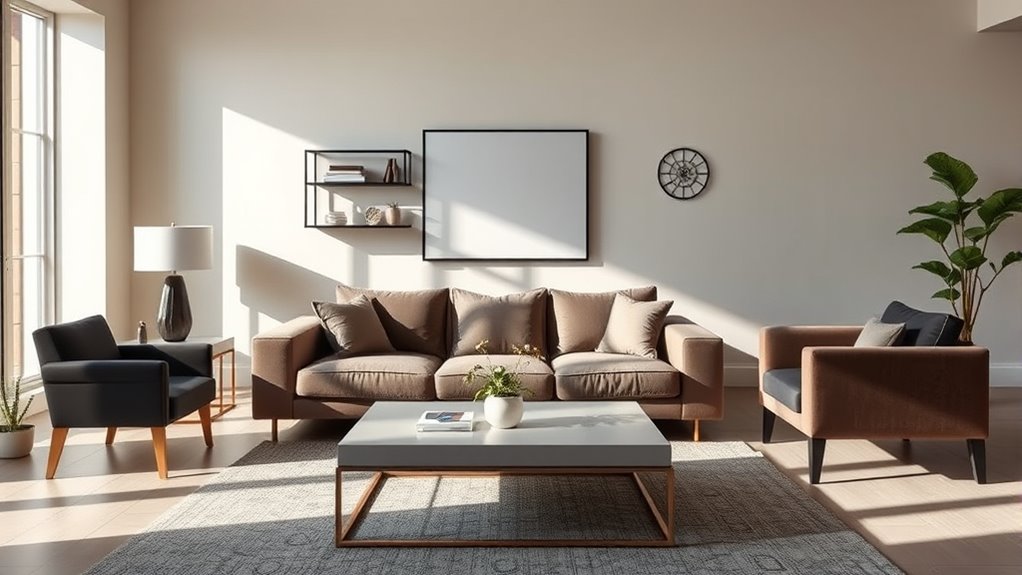
Have you ever wondered why some furniture feels perfectly balanced while others seem off? The secret often lies in proportions—those subtle measurements that can make or break your comfort and aesthetic appeal. When designing furniture, creators consider a mix of principles, including ergonomic design and historical influences, to achieve harmony. Ergonomic design focuses on tailoring furniture to fit the human body, ensuring comfort and reducing strain. Historical influences, on the other hand, bring tradition and cultural preferences into play, shaping proportions based on centuries of aesthetic standards. These elements shape whether a chair feels inviting or stiff, whether a table looks elegant or awkward. Additionally, understanding proportion principles can help in creating more appealing and functional furniture pieces. The golden ratio frequently emerges as a gold standard in discussions about proportions. This mathematical concept, approximately 1.618:1, has fascinated designers and architects for centuries. Its appeal lies in its natural balance, often associated with beauty and harmony. When furniture incorporates the golden ratio, it tends to feel intuitively pleasing—like it’s ‘meant’ to be that way. Think about a dining table where the length and width follow this ratio; it seems just right, neither overwhelming nor underwhelming. The golden ratio has roots in ancient Greece, influencing classical architecture and art, and its principles still resonate today. However, while it’s revered for its aesthetic appeal, it’s not always practical for every piece of furniture. Real-world needs—like storage, durability, and comfort—sometimes demand deviations from this ideal.
Proportions shape furniture’s comfort and style, blending ergonomic needs with historical influences for harmony and appeal.
Historical influences also steer furniture proportions. For example, furniture from the Victorian era often featured ornate, exaggerated proportions, emphasizing grandeur. Meanwhile, Mid-century Modern pieces tend to prioritize simplicity and function, with more restrained proportions. These influences reflect cultural values and technological capabilities of their times, shaping what we consider “balanced” or “appropriate.” Today’s designers often blend these historical insights with ergonomic principles, aiming for furniture that not only looks good but also supports the human body comfortably.
Ultimately, understanding proportions in furniture involves balancing beauty with practicality. While the golden ratio offers a timeless blueprint for harmony, ergonomic design ensures that pieces work well in real life. Historical influences remind us that aesthetic preferences evolve, yet often build upon past ideals. When selecting or designing furniture, consider both these aspects—aiming for proportions that feel right to you, rooted in tradition but adapted for modern comfort. After all, the best furniture not only looks beautiful but also feels good to use, creating a space that’s both visually pleasing and genuinely comfortable.
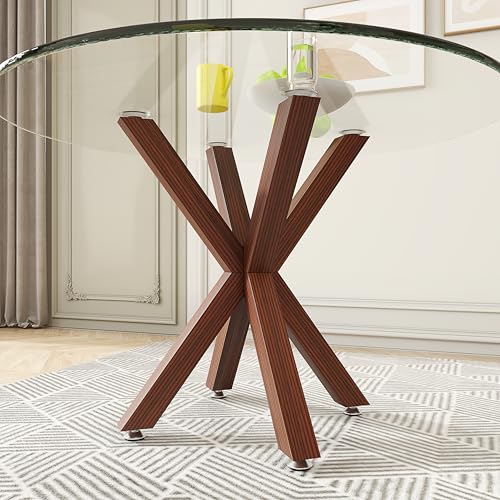
FUSHIAIPTC Table Legs 28 Inch for DIY Coffee Table, Dining Table, Golden Ratio Art Heavy Duty Metal Base to Glass, Marble, and Wood Tops are All Suitable Walnut Colour
SIMPLICITY ART: Elevate the style and stability of your coffee table with our 28-inch metal coffee table legs….
As an affiliate, we earn on qualifying purchases.
As an affiliate, we earn on qualifying purchases.
Frequently Asked Questions
How Do Proportions Affect Furniture Comfort and Usability?
Proportions directly influence your furniture’s comfort and usability by creating scale harmony, making pieces feel just right for your space. When furniture maintains visual balance, it’s easier to move around and use comfortably. Proper proportions prevent awkwardness, ensuring seats, tables, and storage fit naturally within your environment. You’ll find that balanced proportions enhance both aesthetic appeal and functionality, making your space more inviting and easier to navigate.
Can Proportions Influence the Perceived Value of Furniture?
Like a masterful symphony, proportions can elevate the perceived value of your furniture through aesthetic harmony and visual balance. When pieces follow pleasing ratios, they seem more refined and well-crafted, drawing admiration and a sense of quality. Your eye perceives these proportions as a sign of craftsmanship, making the furniture feel more luxurious and desirable. Ultimately, well-proportioned furniture not only looks better but also feels more valuable.
Are There Cultural Differences in Preferred Furniture Ratios?
Yes, you’ll notice cultural aesthetics and regional preferences shape furniture ratios around the world. In some cultures, proportions emphasize harmony and balance, like the golden ratio, while others favor practicality and comfort. Your choices reflect local traditions, climate, and lifestyle. So, when selecting furniture, consider these cultural influences to create a space that resonates with regional preferences and feels truly authentic.
How Do Modern Designs Challenge Traditional Proportions?
Modern designs gently challenge traditional proportions by blending historical influences with evolving aesthetic preferences. You might notice sleeker lines and unexpected ratios that break away from classical Golden Ratio ideals, creating a fresh, dynamic look. This subtle departure invites you to reimagine space and form, encouraging individuality and comfort over strict adherence to past standards, all while maintaining harmony through innovative proportions that reflect contemporary tastes.
What Role Do Proportions Play in Ergonomic Furniture Design?
Proportions are essential in ergonomic furniture design because they guarantee your comfort and support. When furniture maintains proper proportions, it promotes visual harmony and enhances aesthetic appeal, making your space more inviting. You’ll notice that well-proportioned pieces reduce strain and fatigue, allowing you to sit or work longer comfortably. By focusing on the right proportions, you create furniture that balances beauty with functionality, improving your overall well-being and interior harmony.

Marsail Ergonomic Office Chair: Office Desk Chair with High Back Mesh and Adjustable Lumbar Support Rolling Work Swivel Task Chairs with Wheel 3D Armrests and Headrest
Fully Adjustable Office Chair: Customized chairs, featuring with an adjustable 2D headrest, backrest with 90° to 120° recline,…
As an affiliate, we earn on qualifying purchases.
As an affiliate, we earn on qualifying purchases.
Conclusion
Just as a masterful painter balances colors to create harmony, your choice of proportions in furniture shapes your space’s story. Whether you embrace the golden ratio’s timeless elegance or opt for practical ratios rooted in daily use, remember you’re the artist of your home’s canvas. Strike your balance carefully, and your space will resonate with both beauty and function—an allegory of thoughtful design that elevates your everyday life.
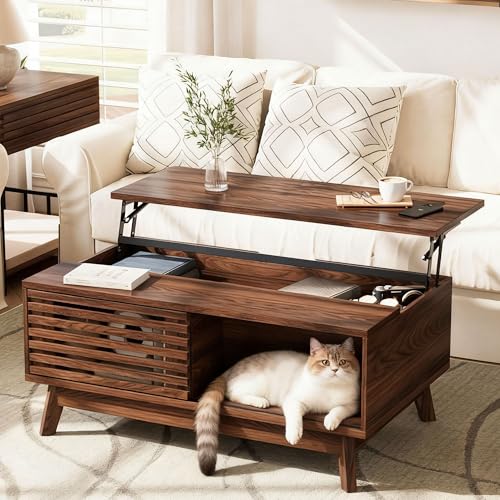
HAIOOU Lift Top Coffee Table, Mid Century Modern Coffee Table with Storage for Living Room, 35.4'' Walnut Coffee Tables with Sliding Fence Door (Brown)
√Lift Top Design: Wooden coffee table with an upgraded hydraulic gas strut system, it ensures smoother, balanced motion,…
As an affiliate, we earn on qualifying purchases.
As an affiliate, we earn on qualifying purchases.

86" Sectional Sleeper Sofa Bed, Sleeper Couch with Pull out Bed, L Shaped Couch with Storage, Modular Sectional Sofa, Sectional Couches for Living Room&Apartment, Convertible Sofas, Gray Couches
Pull-Out Sofa Bed: Easily transforms from a cozy sofa into a comfortable bed with a simple pull. This…
As an affiliate, we earn on qualifying purchases.
As an affiliate, we earn on qualifying purchases.