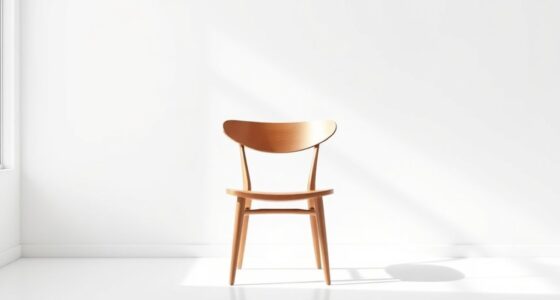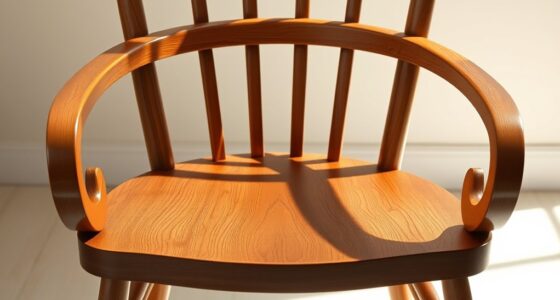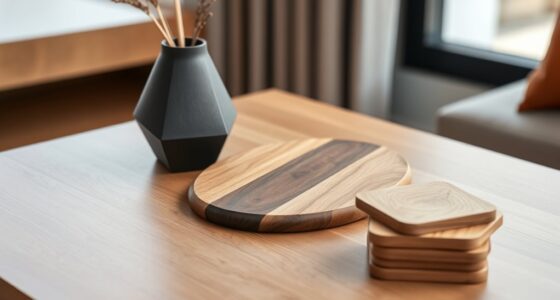
When designing pet furniture that balances style and functionality, prioritize non-toxic, easy-to-clean materials like microfiber and treated wood. Focus on ergonomic features, such as elevated beds and contoured cushions, to support your pet’s health. Choose designs that are sturdy, safe, and multi-functional, blending seamlessly with your décor. Incorporate artistic touches like textures and clean lines to enhance visual appeal. Keep exploring to discover how smart design can improve your pet’s life while elevating your home’s look.
Key Takeaways
- Use pet-friendly, non-toxic materials that are durable, easy to clean, and blend seamlessly with home décor.
- Incorporate ergonomic features like raised beds and contoured cushions to promote pet comfort and healthy posture.
- Design multi-purpose furniture with storage and waterproof elements to maximize practicality and ease maintenance.
- Choose sleek, modern styles with neutral tones and clean lines that complement contemporary interior aesthetics.
- Add artistic touches, such as textile textures or unique finishes, to enhance visual appeal and create one-of-a-kind pieces.

Creating furniture for pets isn’t just about providing a comfortable space; it’s about designing functional pieces that blend seamlessly with your home décor. When you choose pet furniture, prioritizing pet friendly materials guarantees safety and durability. Opt for non-toxic, easy-to-clean fabrics like microfiber or treated wood finishes that resist scratches and stains. These materials not only protect your pet but also keep your space looking fresh and stylish. Incorporating pet friendly materials into your designs means you’re considering your pet’s health and your home’s aesthetic simultaneously.
Choose pet-friendly, non-toxic, easy-to-clean materials to ensure safety, durability, and stylish harmony in your furniture design.
Ergonomic pet furniture plays a vital role in supporting your pet’s well-being. Just like human ergonomic furniture promotes comfort and health, pet-specific designs help reduce joint strain and improve posture. For example, elevated beds can promote better airflow and make getting in and out easier for older or arthritic pets. Contoured cushions and supportive bolsters mimic natural resting positions, reducing stress on joints and muscles. When crafting these pieces, think about your pet’s size and activity level to guarantee they get the right support. You want furniture that encourages restful sleep and easy access, not furniture that forces awkward positions or causes discomfort over time.
Designing with functionality in mind also means considering how your pet interacts with their furniture. Make sure the pieces are sturdy enough to withstand daily use, with no sharp edges or fragile parts that could cause injury. Multi-purpose furniture is a smart choice—think of a coffee table with hidden storage for toys or a sofa with built-in scratching posts. This approach saves space and makes your pet’s furniture a natural extension of your home environment. Easy-to-clean surfaces are essential, especially if your pet sheds or has accidents. Removable, washable covers or waterproof liners keep maintenance manageable and maintain a fresh look.
Matching your furniture style with your home décor doesn’t mean sacrificing functionality. There are plenty of sleek, modern designs that use pet friendly materials without compromising on aesthetics. Neutral tones, clean lines, and minimalist shapes blend effortlessly into contemporary spaces. You can find or custom-make ergonomic pet furniture that complements your existing furniture, creating a cohesive look that feels intentional and well-thought-out. Ultimately, designing furniture for pets with a focus on both style and functionality makes your home more comfortable for everyone—pets and people alike. When you choose the right materials and prioritize ergonomic support, you’re not just providing a spot for your pet—you’re enhancing their quality of life while maintaining the beauty of your home. Incorporating textile art techniques into your pet furniture design can add unique texture and visual interest, making each piece truly one-of-a-kind.
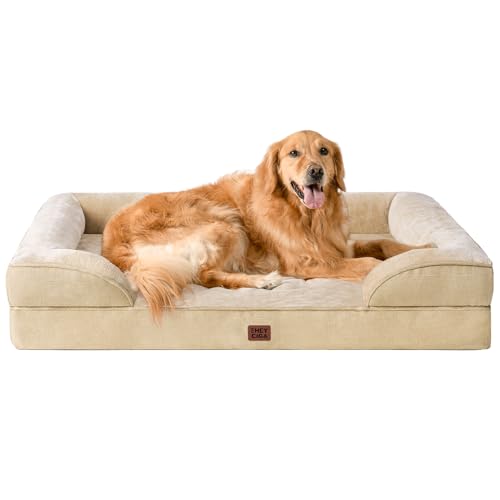
EHEYCIGA Orthopedic Dog Beds for Extra Large Dogs, Waterproof Memory Foam XL Pet Bed with Sides, Non-Slip Bottom and Egg-Crate Foam Big Dog Couch Bed with Washable Removable Cover, Greige
MEMORY FOAM: The EHEYCIGA orthopedic dog bed features memory foam and egg crate foam to provide even support…
As an affiliate, we earn on qualifying purchases.
As an affiliate, we earn on qualifying purchases.
Frequently Asked Questions
How Do I Choose Pet Furniture That Fits Small Spaces?
To choose pet furniture that fits small spaces, look for space-saving solutions like compact or wall-mounted pieces. Multi-functional furniture is your best bet—think beds with built-in storage or tables that double as pet lounging spots. Measure your available space carefully and prioritize items that serve dual purposes. This way, you maximize functionality without sacrificing style, keeping your home organized and pet-friendly.
What Materials Are Best for Pet Furniture Durability?
Think of pet furniture materials like a sturdy bridge—reliable and built to last. For durability, opt for materials with high material longevity, such as hardwood frames and scratch-resistant fabrics. When choosing fabric, consider options like microfiber or canvas, which withstand wear and tear. I once fixed a scratched-up sofa with a durable slipcover, proving that selecting the right fabric choices and strong materials truly extends furniture life.
How Can I Ensure My Pet’s Safety With New Furniture?
To guarantee your pet’s safety with new furniture, focus on pet furniture safety by choosing pet proof design features like rounded edges, non-toxic finishes, and sturdy construction. Regularly check for loose parts or sharp edges, and avoid materials that could splinter or cause harm. Keep the furniture in a safe, stable spot, and always supervise your pet initially. These steps help create a safe, comfortable space for your furry friend.
Are There Eco-Friendly Options for Pet Furniture?
Yes, you can choose eco-friendly pet furniture made from sustainable materials like bamboo, recycled wood, or organic fabrics. Look for products from brands that prioritize eco-conscious manufacturing practices, ensuring minimal environmental impact. These options not only help protect the planet but also provide safe, non-toxic spaces for your pets. By selecting eco-friendly furniture, you support sustainability while giving your pets a stylish, functional space to enjoy.
How Do I Incorporate Pet Furniture Into Modern Interior Design?
You can seamlessly incorporate pet furniture into modern interior design by choosing pieces that match your aesthetic. Opt for sleek, minimalist pet zones that blend with your decor, like stylish beds or hidden storage. Focus on pet furniture aesthetics that complement your space’s color palette and materials. Integrate pet zones subtly, ensuring they don’t disrupt the flow, while providing your pets with comfortable, functional spots within your stylish home.

Dog Crate Furniture Kennel with Double Doors Wooden Pet House with 2 Drawers and Storage Cabinet, Indoor Dog Cage Farmhouse Modern Side End Table for Small Medium Dogs, White
2-in-1 dog crate furniture: Furniture style dog crate design is a clever way to incorporate a cage with…
As an affiliate, we earn on qualifying purchases.
As an affiliate, we earn on qualifying purchases.
Conclusion
When you thoughtfully blend functionality with style in pet furniture, you create a space where your furry friend feels truly at home. It’s about finding that delicate balance that gently elevates your décor while offering comfort and joy to your pet. Remember, the best designs subtly enhance your living space without overshadowing it. With a little creativity, you’ll craft pieces that softly whisper harmony between your pet’s needs and your aesthetic dreams.

Tcksstex Waterproof and Anti-Slip Dog Bed Cover and Pet Blanket Sofa Pet Bed Mat ,car Incontinence Mattress Protectors Furniture Couch Cover for Most Cats Dogs, Pets(30×70-Ivory)
100% Polyester:The first layer uses 100% polyester ,the Second Layer UsesThickened Encrypted Fiber Cotton to Increase Softness and…
As an affiliate, we earn on qualifying purchases.
As an affiliate, we earn on qualifying purchases.

Dog Sofa Couch for Medium Dogs, Memory Foam Pet Sofa Couch with Washable Fabric, Durable Elevated Dog Bed with Legs, Removable Cushion for Medium Dogs, Dark Brown
High Quality Material: The dog sofa bed is made of high-quality fabric, which allows for quick and easy…
As an affiliate, we earn on qualifying purchases.
As an affiliate, we earn on qualifying purchases.