When choosing wood species and finishes for color and contrast, consider how grain patterns, tone, and surface texture interact with light. Exotic woods like burl or zebrawood provide striking contrast, especially with glossy finishes that enhance their dramatic grain. Meanwhile, oak or maple have more uniform grains, ideal for softer, matte or satin finishes that highlight subtle variations. Selecting the right combination helps you achieve the visual impact you want, and exploring these options reveals even more ways to enhance your design.
Key Takeaways
- Choose exotic woods like burl or zebrawood with complex grain patterns for high contrast and visual interest.
- High-gloss finishes enhance color richness and contrast, making grain patterns more dramatic.
- Matte or satin finishes soften overall appearance, reducing contrast and highlighting subtle grain details.
- Uniform grain woods such as oak or maple work well with various finishes to achieve consistent color and tone.
- Selecting the right finish sheen influences how natural variations in tone and grain are perceived, balancing color and contrast.

Color and contrast are fundamental tools in visual design that directly influence how your message is perceived. When selecting wood for your project, understanding how grain patterns and finish sheen interact with color and contrast can make all the difference in achieving the look you envision. Grain patterns, which include straight, wavy, or irregular lines, add texture and movement to the wood’s surface. They play a vital role in how colors are perceived, as more pronounced grain patterns can highlight natural variations in tone, creating depth and visual interest. Conversely, a smooth, uniform grain tends to produce a more consistent appearance, allowing your chosen color to stand out without distraction.
Finish sheen is equally important because it affects the way light interacts with the wood’s surface. A high-gloss finish reflects a lot of light, emphasizing the richness of the color and making contrast pop. This sheen can give your project a sleek, modern look, especially when paired with bold or dark hues. On the other hand, a matte or satin finish diffuses light, softening the appearance of color and grain, which creates a more subdued, natural ambiance. If you’re working with wood that has prominent grain patterns, the finish sheen can either enhance or downplay those features, depending on your desired effect. For instance, a satin sheen can subtly highlight grain details without overwhelming them, whereas a high-gloss finish might make the grain seem more dramatic due to its reflective quality.
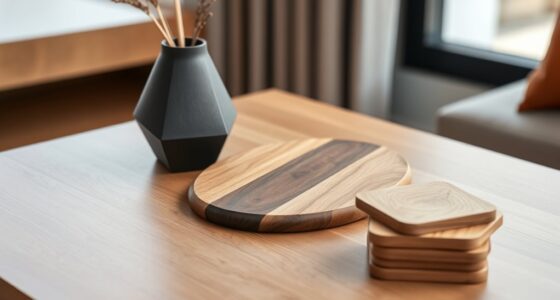
When choosing your wood species, consider how its inherent grain patterns will complement your color choices and finish sheen. For example, woods like oak and maple have relatively uniform grain patterns, making them versatile for a variety of finishes and colors. In contrast, exotic woods such as burl or zebrawood feature complex, striking grain patterns that can become a focal point when paired with transparent finishes that showcase their natural beauty. The finish sheen will further influence how these patterns are perceived—glossy finishes intensify the visual contrast, while matte finishes soften the overall look, allowing the beauty of the grain to come through more subtly.
Additionally, understanding how WWE Raw’s financial impact and other entertainment industry factors influence the perception of wealth can help inform your choices in design and presentation, ensuring that your project communicates its message effectively. Ultimately, your goal is to create a harmonious balance between wood type, grain pattern, color, and finish sheen. By understanding how each element interacts, you’ll be able to select the right combination that not only looks stunning but also communicates your intended message with clarity and impact.
Frequently Asked Questions
How Do Different Wood Species Affect Furniture Durability?
Different wood species considerably impact your furniture’s durability. Hardwoods like oak and maple have tight grain patterns, making them more resistant to dents and scratches. Softwoods like pine are more prone to damage but are often more moisture-resistant, depending on the finish. Your choice affects how well the furniture withstands daily wear and tear, so consider the wood’s natural strength and moisture resistance to guarantee long-lasting durability.
What Finishes Are Best for Outdoor Wood Applications?
A stitch in time saves nine, and choosing the right finish can extend your outdoor wood’s life. Opt for finishes with UV protection and water resistance to shield your furniture from the elements. Polyurethane, spar varnish, and exterior-grade oils are excellent choices. These finishes help prevent warping, cracking, and fading, ensuring your outdoor pieces stay beautiful and durable for years to come.
How Can I Prevent Color Fading Over Time?
To prevent color fading over time, you should apply a high-quality UV-protective finish to your wood. Regularly maintain and reapply the finish as needed, especially after exposure to sunlight and weather. Keep in mind that proper sealing and choosing wood with natural aging resistance help slow down fading. By doing these, you effectively slow wood aging and guarantee your wood maintains its vibrant look longer.
Are There Eco-Friendly Wood Stain Options?
Are eco-friendly stains the right choice for your project? Absolutely. You can opt for eco-friendly stains and natural finishes that are made from non-toxic, sustainable ingredients, reducing your environmental impact. These options often emit fewer fumes and are safer for your family and pets. Think about how beautiful your space will look while knowing you’re making an environmentally responsible decision. Choosing eco-friendly stains helps protect both your home and the planet.
How Does Lighting Influence Perceived Wood Color?
Lighting effects greatly influence your perception of wood color. Under warm lighting, you’ll see richer, more vibrant tones, while cool lighting can make the wood appear paler or duller. Bright, natural light highlights subtle grain details, enhancing color perception, whereas dim or artificial lighting can obscure these nuances. To choose the best finish or wood, observe it in different lighting conditions, ensuring you’re happy with how it looks in your space.
Conclusion
By choosing the right wood species and finish, you’re painting a picture that reflects your style and personality. Think of it as setting the stage for your personal masterpiece—each color and contrast adding depth and character. Don’t be afraid to experiment; your perfect combination is out there waiting to shine. With a little patience and a keen eye, you’ll craft a space that feels as warm and inviting as a sunrise, illuminating your home’s unique charm.