
TL;DR

Get business pricing on tools and workshop supplies
- Business-only prices and quantity discounts
- Tax-exempt purchasing
- Multiple users, one account, clear invoices
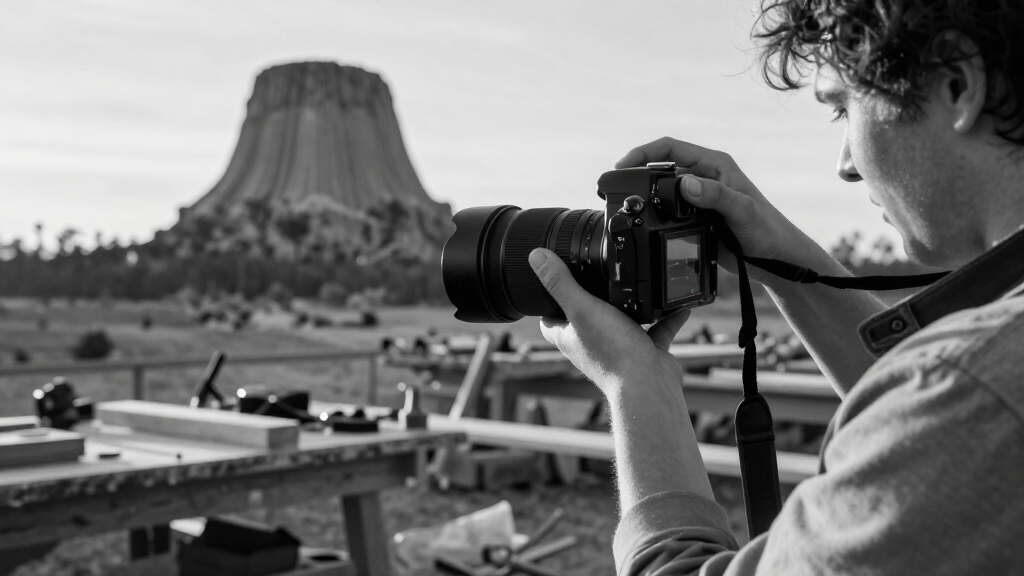
Zac Henderson has published a series of black-and-white photographs depicting Devil’s Tower, emphasizing its imposing presence. The images aim to honor the monument’s natural beauty and cultural importance.
Photographer Zac Henderson has unveiled a series of black-and-white photographs of Devil’s Tower, emphasizing its dramatic contours and spiritual resonance. The images aim to honor the monument’s natural grandeur and cultural significance, drawing widespread attention among art and nature communities.
The photo series features several bold, high-contrast black-and-white images of Devil’s Tower, capturing its towering presence against varying skies and landscapes. Henderson, known for his landscape and nature photography, states that his intent was to evoke a sense of reverence and timelessness for the site, which is recognized as a sacred place by many Native American tribes.
According to Henderson, the photos were taken over multiple visits to the site, focusing on its rugged textures and imposing silhouette. The series has been shared via social media and art platforms, garnering praise for its stark visual style and emotional depth. No official statements from authorities or the National Park Service have been made regarding the release.
Cultural and Artistic Impact of Henderson’s Photos
Henderson’s black-and-white images highlight Devil’s Tower’s natural beauty and its cultural importance, potentially influencing public perception and appreciation. The stark visuals may also spark renewed interest in the site’s spiritual significance, especially among Native communities who consider it sacred. The series underscores the power of photography to evoke reverence and elevate awareness of iconic landmarks.
black and white landscape photography camera
As an affiliate, we earn on qualifying purchases.
As an affiliate, we earn on qualifying purchases.
Recent Trends in Artistic Depictions of Natural Landmarks
Over the past few years, artists and photographers have increasingly used black-and-white imagery to emphasize the timelessness and majesty of natural landmarks. Devil’s Tower, a prominent geological formation in Wyoming, has long been a subject of cultural and artistic interest, especially following its designation as the first U.S. national monument in 1906. Henderson’s work continues this tradition, blending artistic expression with cultural homage.
“My goal was to capture the monument’s raw power and spiritual essence in a way that transcends color, emphasizing its timeless presence.”
— Zac Henderson
Details About Henderson’s Artistic Intent and Public Reception
It is not yet clear how Henderson’s series was received by Native communities or whether it was intended as a tribute or artistic interpretation. The broader impact on public awareness or cultural discourse remains to be seen, and no official statements have been issued by relevant authorities or Indigenous groups regarding the series.Potential Exhibitions and Cultural Discussions
Henderson’s photos are expected to be featured in upcoming art exhibitions and online galleries, potentially sparking discussions about the intersection of art, nature, and cultural respect. Native communities and cultural organizations may also respond with statements or initiatives to engage with the imagery’s cultural implications. Further commentary from authorities or Indigenous leaders is anticipated.
Key Questions
What is the significance of Devil’s Tower?
Devil’s Tower is a sacred site for many Native American tribes and was the first national monument designated by the U.S. government in 1906. It is known for its distinctive geological formation and cultural importance.
Who is Zac Henderson?
Zac Henderson is a photographer known for landscape and nature imagery, now recognized for his recent black-and-white series of Devil’s Tower.
Are the photos officially endorsed or commissioned?
No, Henderson’s series appears to be a personal artistic project shared independently via social media and art platforms.
How have Native communities responded to the photos?
Responses are currently limited; some tribal representatives have noted the images reflect the sacredness of the site, but formal statements or reactions are pending.
Will these images be exhibited publicly?
It is expected that Henderson’s photos will be shown in upcoming galleries or exhibitions, though specific venues have not yet been announced.
Source: rss
Fall Picks
fall essentials
As an affiliate, we earn on qualifying purchases.