
TL;DR

Get tools and workshop supplies delivered free — and shop member deals
- Fast, free delivery on millions of items
- Access to Prime Big Deal Days deals on October 6–7
- Prime Video, Amazon Music and more included
A group of Black women printmakers in New Jersey is gaining attention for their work that challenges traditional narratives and highlights Black experiences. This emerging movement is influencing American art and cultural discourse.
Growing attention is being directed toward a community of Black women printmakers in New Jersey who are actively shaping the American cultural narrative through their artwork. This movement, though still emerging, is gaining recognition for its focus on Black experiences, history, and identity, challenging traditional art paradigms and expanding representation in the printmaking field. The increased interest in their work reflects broader conversations about diversity and inclusion in the arts.
Recent reports indicate that a number of Black women artists in New Jersey are creating impactful printworks that explore themes of racial identity, history, and social justice. While specific exhibitions or collective formations are still in development, art critics and community leaders have noted a surge in visibility and interest surrounding their work. This trend appears to be part of a larger national movement emphasizing Black voices in visual arts, but the focus on New Jersey’s Black women printmakers highlights a localized yet influential subset.
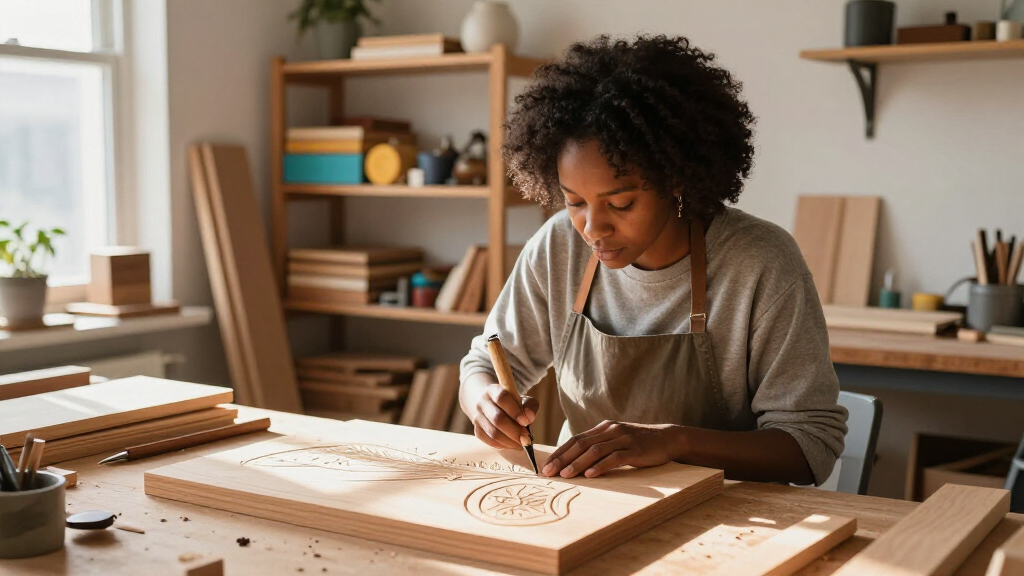
Sources suggest that these artists are using traditional printmaking techniques such as etching, lithography, and screen printing to produce compelling imagery that challenges stereotypes and offers new perspectives. Their work often incorporates personal narratives, historical references, and cultural symbolism, aiming to broaden the scope of American storytelling through art. Though individual artists have been featured in local galleries, the movement’s broader impact on national discourse remains in early stages.
Why the Rise of Black Women Printmakers in New Jersey Matters
This development is significant because it highlights a shift toward greater diversity and representation within American art, particularly in a medium historically dominated by male and white artists. The work of these Black women printmakers not only enriches the cultural landscape but also challenges longstanding narratives, offering authentic voices and stories that have often been marginalized. Their rising visibility can influence broader conversations about racial equity, artistic inclusion, and cultural history in the United States.
Moreover, this movement exemplifies how localized artistic communities can contribute to national cultural shifts, inspiring other marginalized groups to pursue visibility and influence through their art. As their work gains recognition, it could lead to increased funding, exhibitions, and institutional support for Black women artists, fostering a more inclusive arts ecosystem.
As an affiliate, we earn on qualifying purchases.
Historical and Cultural Context of Black Women Printmakers in New Jersey
Historically, Black women have faced significant barriers to recognition in the arts, often excluded from mainstream galleries and institutions. In New Jersey, a state with a diverse population and a vibrant arts scene, these barriers have persisted but are gradually being challenged by emerging artists and community initiatives. The printmaking field, in particular, has seen a slow but steady increase in Black women artists contributing their perspectives, often using traditional techniques to communicate contemporary issues.
Recent years have seen a broader movement toward racial justice and cultural representation, which has amplified interest in underrepresented voices in the arts. While specific organizations or collectives of Black women printmakers in New Jersey are still forming, their work is increasingly featured in local exhibitions and arts festivals. This trend aligns with national movements advocating for diversity, equity, and inclusion in cultural spaces, but the focus on New Jersey provides a localized lens on this ongoing shift.
Unconfirmed Scope and Future Impact of the Movement
While interest in Black women printmakers in New Jersey is rising, the full scope of their influence on national art narratives and institutional recognition remains unclear. It is not yet confirmed whether this movement will lead to widespread institutional support or significant shifts in the art market. Additionally, the number of artists involved and the longevity of this trend are still uncertain, as many initiatives are in early stages and rely on emerging visibility.
Next Steps for Visibility and Institutional Support
Moving forward, the movement’s growth will likely depend on increased exhibition opportunities, inclusion in major art festivals, and support from galleries and cultural institutions. Artists and community advocates may pursue collaborations and grants to amplify their work. Monitoring upcoming exhibitions, awards, and institutional initiatives will be key to understanding how this movement evolves and influences broader American art narratives.
Key Questions
Who are the Black women printmakers in New Jersey leading this movement?
Specific artists are still emerging, and no centralized group has been officially recognized. The movement involves various individual artists and local collectives focusing on themes of Black identity and history.
How is their work different from traditional printmaking?
Their work often incorporates personal narratives, cultural symbolism, and social justice themes, using printmaking techniques to challenge stereotypes and tell diverse stories.
Will this movement influence national art institutions?
It is too early to tell, but increased visibility and recognition could lead to greater institutional support and inclusion of Black women printmakers in major exhibitions and collections.
What challenges do these artists still face?
They continue to encounter barriers related to racial and gender biases, limited access to mainstream galleries, and funding constraints, though their visibility is gradually increasing.
How can the public support this movement?
Attending exhibitions, purchasing artwork, and advocating for inclusion in major cultural spaces can help elevate their visibility and impact.
Source: rss
Halloween Picks
halloween
As an affiliate, we earn on qualifying purchases.