TL;DR

Get business pricing on tools and workshop supplies
- Business-only prices and quantity discounts
- Tax-exempt purchasing
- Multiple users, one account, clear invoices
Cordless drills for woodworking vary from lightweight 12V models to powerful 20V tools. Recent innovations like brushless motors and longer-lasting batteries make work smoother and more efficient. Picking the right drill depends on your project size, frequency, and comfort needs.
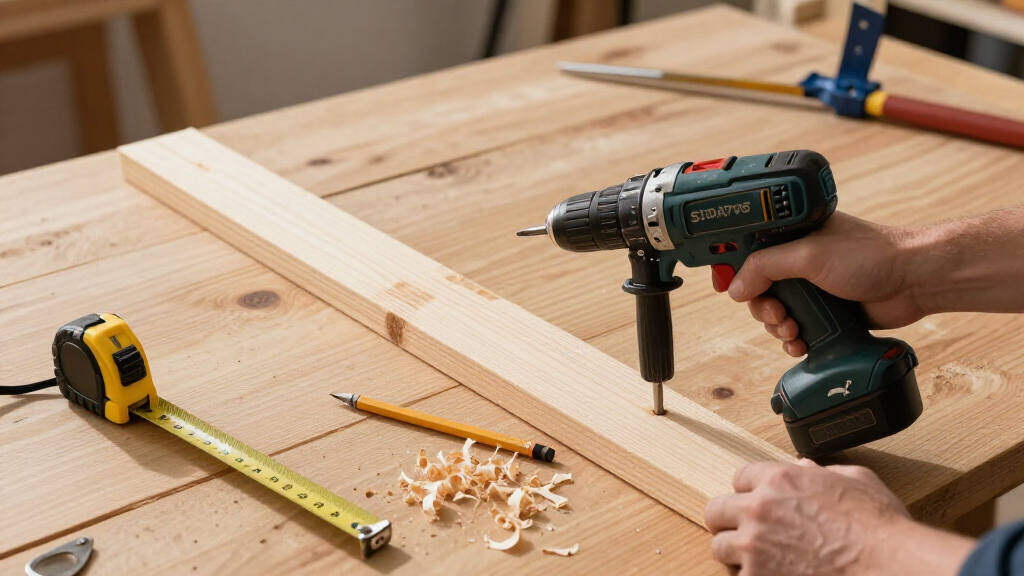
Imagine the satisfying smell of freshly cut pine, the click of a bit biting into smooth wood, the buzz of a powerful cordless drill in your hand. Whether you’re building a bookshelf or crafting intricate furniture, the right drill can turn a frustrating job into a seamless process. But with so many options flooding the market, how do you pick the one that actually makes your woodworking easier?
In this guide, you’ll learn what features matter most, recent tech breakthroughs, and how to match a drill to your specific projects. No fluff—just straightforward advice to help you choose a tool that’s reliable, powerful, and comfortable to use.
Choose a drill with at least 18V power for most woodworking tasks; higher voltage equals more torque.
Brushless motors significantly extend runtime and lifespan, especially for frequent use.
Battery capacity directly affects how long you can work without recharging—invest in 4Ah or higher for longer projects.
Ergonomic design and lightweight build reduce fatigue and improve control during extended sessions.
Matching your tool’s features to your project scope ensures efficiency and satisfaction.
What Makes a Cordless Drill Perfect for Woodworking? Think Power, Control, and Comfort
When selecting a cordless drill for woodworking, you want to focus on three key qualities: power, precision, and ergonomics. Power, usually measured in volts, determines how well the drill bores through thick, tough wood. A 20V drill can handle heavy-duty tasks like drilling into hardwood or driving large screws without breaking a sweat.
Control comes from adjustable speed and clutch settings. Imagine threading a delicate dowel or setting screws flush with the surface—your drill’s ability to slow down or stop torque instantly makes all the difference.
And don’t overlook comfort. Long hours in the workshop demand a lightweight, balanced tool with a comfortable grip. A drill that feels like an extension of your hand reduces fatigue, letting you work longer without pain or strain.
cordless drill for woodworking 20V
As an affiliate, we earn on qualifying purchases.
As an affiliate, we earn on qualifying purchases.
Recent Tech Breakthroughs That Make Cordless Drills Better for Woodworking
Modern cordless drills pack some serious innovations. Brushless motors are a game changer: they run cooler, last longer, and give you about 50% more runtime compared to traditional brushed motors. This means less downtime and more productivity, especially on large projects where continuous power is essential. Brands like Makita and Milwaukee have integrated these motors to provide more reliable and efficient tools, which can be a real advantage when tackling demanding woodworking tasks.
Battery technology has also advanced. Today’s lithium-ion batteries with capacities like 4Ah or 5Ah deliver extended runtime, making it feasible to work longer without interruptions. Additionally, rapid chargers can replenish batteries in under 30 minutes, reducing wait times and keeping your workflow steady. Some drills now include Bluetooth connectivity, allowing you to monitor battery health and firmware updates via smartphone—these features help maintain optimal performance and longevity, especially important for those who rely heavily on their tools.
Design-wise, manufacturers focus on creating lightweight, compact models that don’t sacrifice power. These ergonomic designs help reduce fatigue during extended use, and their agility makes overhead and tight-space work much easier. These technological advancements collectively mean you get more power, longer use, and better control—all critical for high-quality woodworking.
Comparison Table: Picking the Best Cordless Drill for Your Woodworking Needs
| Feature | Entry-Level | Mid-Range | Professional-Grade |
|---|---|---|---|
| Voltage | 12V–18V | 18V–20V | 20V+ (sometimes 60V for heavy-duty) |
| Battery Capacity | 1.5Ah–2Ah | 3Ah–4Ah | 4Ah–5Ah or higher |
| Weight | 2.5–3.5 lbs | 2–3 lbs | 2–3.5 lbs, but more robust |
| Key Features | Basic speed & clutch | Variable speed, LED light | Brushless motor, high torque, quick charger |
| Price Range | $50–$100 | $100–$200 | $200–$500+ |
How to Pick the Right Cordless Drill for Your Woodworking Projects
- Assess your project demands: For light tasks like small furniture or craftwork, a 12V or 18V drill suffices. For larger, tougher projects, opt for 20V or higher.
- Consider battery life: If you tend to work long hours or on big projects, choose a drill with a 4Ah or 5Ah battery for extended sessions.
- Prioritize comfort: Test the weight and grip. A drill that feels balanced reduces fatigue and increases precision.
- Look for features: Variable speed, adjustable clutch, LED lights, and brushless motors all add value, especially for detailed woodworking.
- Think future-proof: Compatibility with accessories, spare batteries, and chargers can save money and hassle later.
Real-World Example: How a Hobbyist Turned a Small Workshop Into a Woodworking Haven
Jane, a hobbyist woodworker, started with a basic 12V drill for small projects. She loved the lightweight feel but soon found it lacked the power for her growing ambitions. Upgrading to an 18V brushless model with a 4Ah battery transformed her workflow.
She could drill deeper, drive larger screws, and work longer sessions without swapping batteries. The LED light illuminated tight corners, and the clutch prevented stripped screws. Now, her small workshop feels like a professional setup, all thanks to choosing the right cordless drill.
Tips for Maintaining Your Cordless Drill and Getting the Most Out of It
- Charge batteries properly: Keep them at around 40–80% if storing for long periods to prolong lifespan.
- Clean regularly: Wipe down vents and chuck to prevent dust buildup that can cause overheating or jamming.
- Inspect bits and accessories: Replace worn bits before they slip or damage wood.
- Store in a dry, cool place: Avoid extreme temperatures that degrade battery life and plastic components.
- Update firmware if applicable: Keeps your drill running smoothly and benefits from new features.
Frequently Asked Questions
What is the best cordless drill for woodworking beginners?
A lightweight 12V or 18V drill with adjustable speed and a comfortable grip is ideal. It balances power with ease of use, perfect for learning the ropes without feeling overwhelmed.
How long does a cordless drill battery last?
Typically between 30 minutes to 2 hours of continuous work, depending on the workload and battery capacity. High-capacity batteries (4Ah–5Ah) offer longer sessions.
Are brushless drills worth the extra cost?
Absolutely. They deliver better efficiency, longer lifespan, and more consistent power—especially valuable if you woodworking frequently or on larger projects.
Can I use a cordless drill for heavy-duty woodworking tasks?
Yes. Look for models with at least 18V and high torque ratings. They handle tougher materials like hardwood and large screws with ease.
What accessories or bits should I consider?
Invest in a set of high-quality drill bits, screwdriver bits, and specialized bits like spade or hole saws for woodworking. Quality tools make a real difference in results.
Conclusion
Picking the right cordless drill isn’t just about raw power—it’s about comfort, control, and future-proofing your workspace. A well-chosen drill turns woodworking from a chore into a pleasure, letting your creativity flow freely.
Think of your drill as an extension of your hand—light, precise, and reliable. Make your choice wisely, and every cut, screw, and assembly becomes a satisfying step toward your masterpiece.
Fall yard work Picks
leaf blowers
As an affiliate, we earn on qualifying purchases.