
TL;DR
Livingetc has published four Japanese-inspired tablescaping lessons for autumn hosting: combine individual place settings with shared dishes, choose tableware for the person using it, match vessels to the food, and signal the season through plates and bowls. The advice is design guidance, not a report of a new study or a formal change in Japanese dining customs.
Livingetc has published four Japanese-inspired tablescaping lessons for people hosting autumn meals, recommending a mix of individual settings and shared dishes, personal tableware, vessels chosen to complement food, and seasonal changes to plates and bowls. The report draws on the publication’s work with Nakagawa, a craft maker and retailer founded in Nara in 1716, and presents the ideas as adaptable design guidance rather than rules every household follows.

Get business pricing on tools and workshop supplies
- Business-only prices and quantity discounts
- Tax-exempt purchasing
- Multiple users, one account, clear invoices
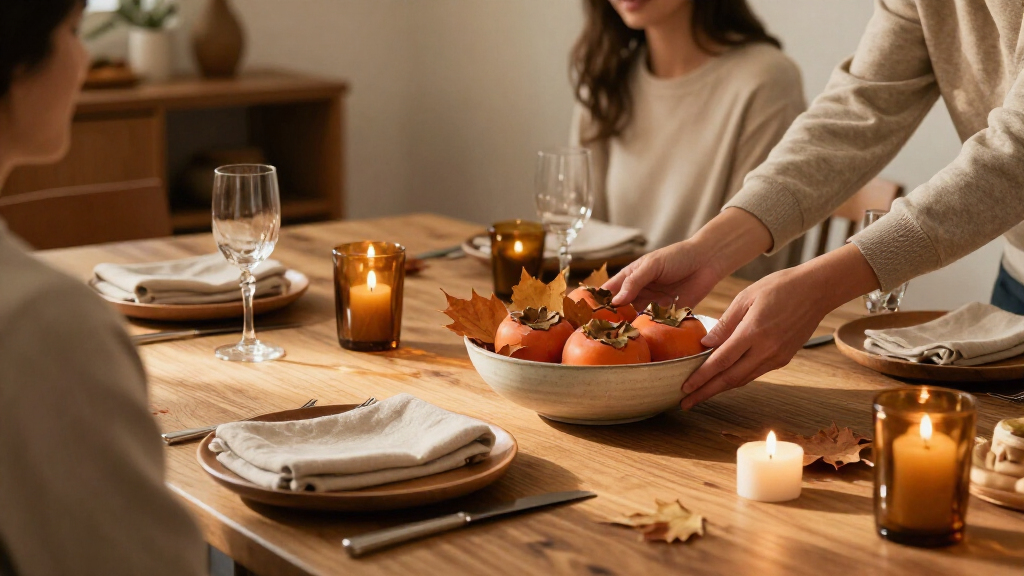
The first lesson is to combine an individual place setting with food served for the table to share. The report describes an oshiki, or flat tray, set in front of each diner with a rice bowl, soup bowl and small plate. It calls each person’s designated place meimei no ba. Larger dishes sit in the middle, and diners take portions as the meal goes on. Livingetc says this approach blends the structure of plated dining with the informality of family-style serving.
The second lesson is to choose tableware for its user rather than relying only on matching sets. The report says family members may have their own rice bowls and chopsticks, selected for practical preferences such as hand size and how thick a pair of chopsticks feels. Third, the vessel should suit the food as well as look attractive: the report urges hosts to think about a bowl’s weight and warmth, the space around the food, and small plates known as mame-zara.
The fourth suggestion is to mark autumn through the tableware, not by replacing the entire setting. Livingetc recommends shifting from summer’s glass and white porcelain to warm clay and persimmon or rust glazes, then adding one small seasonal detail, such as a chrysanthemum-shaped chopstick rest or a small plate. The report also describes welcoming a coming season slightly ahead of its calendar arrival as part of the seasonal approach it presents.
Small Choices Shape Autumn Meals
The advice matters to hosts because it offers practical changes without requiring a new dining room or a full matching set. A household can keep its existing table and introduce seasonal character through a few bowls, small plates or serving pieces. Combining individual settings with shared dishes can also give guests a clear place at the table while allowing them to serve themselves.
The report’s emphasis is on how tableware is used, not just how it looks. Choosing a bowl that feels comfortable, leaving room around the food and selecting pieces for a particular meal can make a setting more personal. These are design recommendations from Livingetc; the source does not provide research measuring their effect on guest comfort or claim that every Japanese home follows the same practices.
Products Worth Considering

Dyson Airwrap i.d. Multi-Styler with Bluetooth Connectivity

eufy Security Video Doorbell E340 Kit with Chime

Philips Hue Play Gradient Light Tube, Large, Black
As an affiliate, we earn on qualifying purchases.
The Setting Behind the Suggestions
Livingetc frames its advice around a table arrangement that places individual dishes before each person and shared food in the centre. The arrangement sits between two familiar approaches in many Western homes: serving each guest a fully plated meal and placing dishes in the middle for everyone to share. The report says Japanese-inspired tables can use both at once.
The source identifies Nakagawa as a craft maker and retailer founded in Nara in 1716, and says the report’s author worked with the company. It also refers to the phrase “the vessel is the kimono of the food” and associates it with potter Kitaōji Rosanjin, who opened a Tokyo restaurant in 1925. The article uses that idea to support choosing vessels in relation to the meal; it does not present the phrase as a formal rule.
““The vessel is the kimono of the food.””
— Livingetc report
What the Report Does Not Establish
The supplied source does not state the report’s publication date, identify a named author, or provide independent research showing that these practices are common across Japan. Its descriptions should be read as the article’s account of Japanese-inspired table settings, not as evidence that all Japanese households set their tables the same way.
It is also unclear how broadly the suggestions transfer across different meals, budgets and household traditions. Livingetc gives examples, including particular glazes and small seasonal objects, but does not compare costs, offer survey findings or report feedback from hosts who tried the ideas. The claimed effect on warmth or guest comfort is presented as design advice, not a measured outcome.
How Hosts Can Apply the Ideas
The report offers no announced follow-up, event or next publication milestone. For readers, its suggested next step is to adapt one or more habits to an upcoming meal: set out an individual bowl or small plate, put shared dishes within reach, or swap in a few autumn-colored vessels. Hosts can keep the rest of the table familiar and choose pieces that suit the food, the diners and the season.
Any further assessment of the advice’s reach would require additional reporting, such as interviews with Japanese households or makers and details about how readers use the suggestions. Until then, the four lessons remain practical recommendations from a design article, rather than a claim about a universal custom or a verified trend.
Key Questions
What are the four Japanese-inspired tablescaping lessons?
Livingetc recommends combining individual place settings with shared dishes, choosing tableware for the person using it, matching vessels to the food, and changing plates or bowls to reflect the season.
What does meimei no ba mean in the report?
The article uses meimei no ba to refer to each diner’s own place at the table, with an individual tray and dishes alongside food shared in the centre.
How does the report suggest making a table feel autumnal?
It suggests replacing some summer glass or white porcelain with warm clay and persimmon- or rust-colored glazes, then adding a small seasonal detail such as a floral chopstick rest.
Does the article say all Japanese homes follow these practices?
No. The source presents these as Japanese-inspired habits and design ideas. It does not establish that every Japanese household uses them or provide research on how widespread they are.
Source: livingetc.com