
TL;DR

Get business pricing on tools and workshop supplies
- Business-only prices and quantity discounts
- Tax-exempt purchasing
- Multiple users, one account, clear invoices
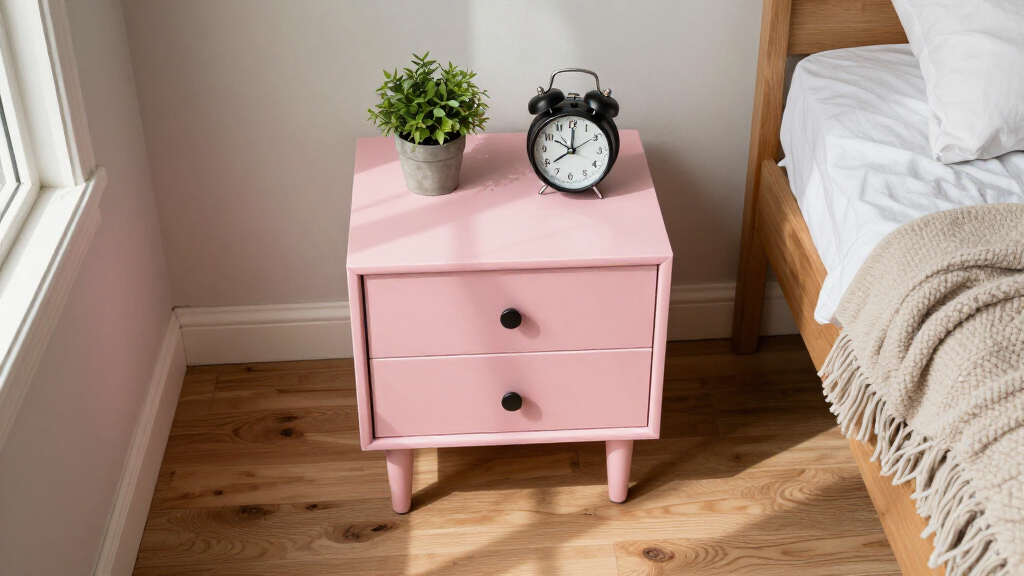
A homeowner traded her antique 1930s nightstand for a pink item from Wayfair, exemplifying a growing trend of swapping vintage furniture for modern decor. The trade has garnered online attention, reflecting shifting tastes in home aesthetics.
A woman has publicly shared that she traded her 1930s vintage nightstand for a pink item from Wayfair, sparking interest in a growing trend of swapping classic furniture for modern decor pieces. The trade, shared on social media, highlights shifting preferences in home styling and the influence of online marketplaces.
The trade was posted on social media earlier this week, where the homeowner explained she exchanged her antique nightstand, valued for its historical charm, for a contemporary, bright pink decor piece from Wayfair. The post quickly gained thousands of views and comments, with many viewers expressing curiosity or approval of the swap.
According to the post, the vintage nightstand was from the 1930s, with original craftsmanship and sentimental value, but the homeowner said she wanted a more modern look for her bedroom. The pink Wayfair find is a large, eye-catching piece that complements her interior design style, which favors bold, playful accents.
While the specific product from Wayfair has not been identified, screenshots show it is a prominent, vibrant pink furniture item that fits current trends favoring bright, statement pieces in home decor. The homeowner emphasized her satisfaction with the trade, noting it was a way to refresh her space without spending additional money.
Why This Trend in Home Decor Swapping Matters
This exchange exemplifies a broader shift in consumer behavior, where individuals are increasingly interested in personalizing their homes through unconventional methods like trading or swapping furniture instead of traditional purchasing. It reflects a desire for unique, expressive decor and a move away from purely antique or vintage styles toward modern, playful aesthetics.
The trend also underscores the influence of online platforms and social media in shaping home styling choices, encouraging more people to share their decor decisions and participate in community-driven exchanges. Such swaps can foster a sense of community and sustainability by repurposing or reusing furniture rather than discarding or constantly buying new.
For consumers, this signals a potential shift in how home furnishings are valued and exchanged, possibly impacting retail and secondhand markets as more people consider trading as a viable alternative to buying new or restoring old pieces.
As an affiliate, we earn on qualifying purchases.
Rise of Vintage-to-Modern Home Decor Swaps
Interest in home decor swaps has been increasing over recent months, driven by social media trends and a desire for personalized spaces. The specific practice of trading vintage furniture for modern pieces is gaining visibility, especially among younger homeowners and interior design enthusiasts.
This trend appears to be part of a larger movement toward sustainable and cost-effective home styling, where individuals seek to refresh their spaces without significant expenditure. Online marketplaces like Wayfair, along with social platforms, facilitate these exchanges by making it easy to find and share decor ideas.
While the exact origins of this swapping trend are unclear, it is linked to broader shifts in consumer preferences, emphasizing individuality, sustainability, and community engagement in home decor.
Unclear Scope and Future of Furniture Swaps
It is not yet clear how widespread this swapping trend will become or whether it will influence larger retail or secondhand markets significantly. The long-term sustainability and practicality of such trades are also still uncertain, as are the potential impacts on furniture valuation and resale markets.
Additionally, details about the specific pink Wayfair product and whether this is part of a larger trend or a one-off case remain unconfirmed. The social media post that sparked attention does not provide comprehensive data on how many similar trades are happening or their overall popularity.
Potential Growth and Future of Furniture Swapping
As interest in home decor swaps continues to grow, more consumers may explore trading vintage and modern pieces as a way to personalize their spaces affordably. Online platforms could develop dedicated features to facilitate such exchanges, and retailers might respond with new marketing strategies targeting this behavior.
Researchers and market analysts will likely monitor this trend to assess its impact on furniture markets, sustainability practices, and consumer preferences in home decor. Further case studies and data collection are expected to clarify its scope and longevity.
Key Questions
Is trading furniture a common practice?
While not yet mainstream, trading furniture is gaining popularity on social media and among DIY home decorators as a cost-effective and personalized way to update interiors.
What types of furniture are typically traded?
Vintage, antique, and secondhand furniture are often traded, especially pieces with sentimental or aesthetic value. Modern decor items, like the pink Wayfair find, are also becoming part of these exchanges.
Does trading furniture impact its value?
Trading can affect a piece’s resale value, depending on its condition and demand. However, many see it as a way to refresh their space without financial loss, especially for sentimental or vintage items.
Are there safety or legal considerations in trading furniture?
Consumers should ensure that traded furniture is safe and free of hazards, especially older pieces that may require restoration or repair. It’s advisable to document trades and understand local regulations regarding secondhand furniture.
Source: rss
Fall yard work Picks
leaf blowers
As an affiliate, we earn on qualifying purchases.