The Corona Tools X Series Pro Bypass Lopper is my best overall pick among the best garden loppers because its 2-1/4-inch cutting capacity combines serious branch capability with the cleaner cut of a bypass blade. The Fiskars 28-Inch Heavy-Duty Lopper offers the strongest value for routine yard work, while the FELCO F211-60 is the premium choice for buyers who prioritize precision and long-term ownership. The main decision is whether you need a bypass blade for live growth or an anvil blade for dry wood, followed by tradeoffs involving reach, leverage, weight, and cutting capacity. Extendable and compound-action models handle demanding jobs more easily, but they tend to feel bulkier than fixed-handle tools. Continue reading for the full breakdown and buyer-specific recommendations.
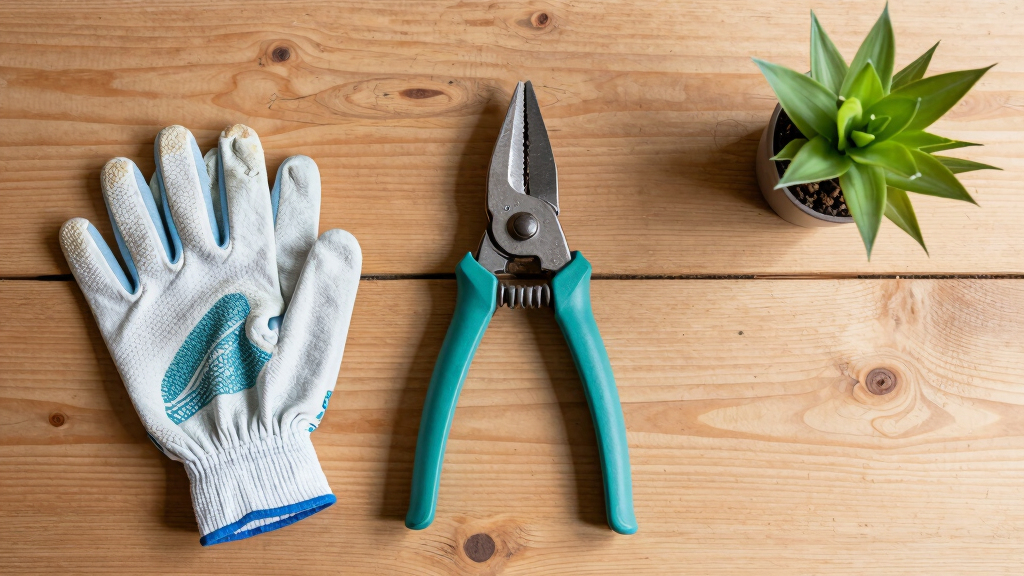
Complete the kit

Key Takeaways
- The Corona Tools X Series Pro earns the top position because its 2-1/4-inch bypass capacity offers the best balance of clean cutting and heavy-branch capability.
- The standard Fiskars 28-Inch Lopper is the best value for routine pruning, while the Power-Lever version makes more sense when reduced cutting effort matters more than simplicity.
- WORKPRO and YRTSH provide the greatest adjustable reach, but their extending handles add weight and feel less nimble during close, repetitive pruning.
- The Scotts and Corona anvil models are better matched to dead, hard wood, whereas the bypass models are the safer choices for live branches that need clean cuts.
- FELCO splits its premium offering by use: the F211-60 favors leverage and broader pruning work, while the shorter F211-50 suits compact storage and controlled cuts.


| garden lopper | Overall Length | Blade Material | Blade Type | Cutting Capacity |
|---|---|---|---|---|
| WORKPRO Extendable Anvil Loppe | 25-37 inches | SK-5 steel | — | 1.6 inches |
| Fiskars 28" Loppers for Tree T | 28 inches | Steel | Bypass | 1.5 inches |
| Corona Tools X Series Pro Bypa | — | — | Bypass | 2-1/4 inches |
| Scotts 21 in. Anvil Lopper | 21 inches | Carbon steel | Anvil | 1.5 inches |
| YRTSH Heavy Duty Extendable Tr | 28-41 inches | Alloy steel | Round point | 2 inches |
| Fiskars 28-Inch Power-Lever Ga | 28 inches | Steel | — | Up to 1.75 inches |
| Corona Tools Compound Action A | 32 inches | — | Anvil | — |
| Fiskars 32-Inch Loppers for Tr | 32 inches | Hardened steel | Bypass | — |
| FELCO F211-60 Swiss Made Loppe | 24 inches | Carbon steel | — | — |
| FELCO F211-50 Swiss Made Loppe | 20 inches | Carbon steel | Curved bypass | — |
More Details on Our Top Picks
WORKPRO Extendable Anvil Lopper, 25-37 Inches, Branch Cutter with Gear Mechanism
I rank the WORKPRO Extendable Anvil Lopper as the longevity-minded pick because its replaceable SK-5 steel blade can extend the tool’s working life beyond that of models with nonreplaceable cutters. The 25-to-37-inch handles add reach, while the gear mechanism multiplies leverage on dry or stubborn branches. Compared with the Scotts 21 in. Anvil Lopper, WORKPRO reaches farther and accepts slightly thicker growth, but it is also less compact and can become tiring overhead. Its 1.6-inch capacity falls well short of the Corona X Series Pro’s 2-1/4-inch limit, so this is not the strongest choice for mature limbs. I favor it for buyers who value serviceability and adjustable reach over low weight, provided they are willing to sharpen and maintain the blade.
Pros:- Extendable 25-to-37-inch design reaches branches at varied heights
- Gear mechanism increases leverage on hard growth
- Replaceable SK-5 steel blade supports longer service life
- Low-friction coating helps the blade move through dense wood
Cons:- Extended configuration may be tiring to control overhead
- 1.6-inch capacity is modest beside larger professional loppers
- Blade needs periodic sharpening and care
Best for: I recommend it to homeowners who regularly prune dry branches at mixed heights and want a replaceable blade rather than a disposable tool.
Not ideal for: I would skip it for users with limited upper-body strength because the extendable steel design can feel heavy during long or overhead pruning sessions.
- Overall Length:25-37 inches
- Cutting Capacity:1.6 inches
- Handle Type:Extendable
- Blade Material:SK-5 steel
- Blade Coating:Low-friction
- Power Mechanism:Gear mechanism
- Blade Replacement:Replaceable
- Grip:Comfort grip
Our verdict“I would choose WORKPRO for adjustable reach and repairability, but not for the thickest branches or the lightest handling.”
Fiskars 28″ Loppers for Tree Trimming, Heavy Duty, Rust-Resistant Steel Blade, Branch Cutter up to 1.5″ Diameter
The Fiskars 28-inch Loppers earn my straightforward bypass role by pairing a fixed, manageable length with a familiar scissor-like cutting action. That bypass design is better suited to clean cuts on living growth than the crushing anvil action of the Scotts 21-inch model, making Fiskars the more plant-friendly choice for routine tree and shrub shaping. Shock-absorbing, nonslip handles also improve control when repeated cuts start transferring force into the hands. The tradeoff is limited ambition: its 1.5-inch capacity trails the Corona X Series Pro and YRTSH, while the fixed 28-inch frame cannot match WORKPRO’s adjustable reach. It may still feel heavy over a long session. I place it below the higher-capacity models, but its rust-resistant steel blade and lifetime warranty make it a sensible uncomplicated choice.
Pros:- Bypass action supports cleaner cuts on live stems
- Shock-absorbing nonslip handles improve control
- Rust-resistant steel blade is suited to regular outdoor use
- Lifetime warranty adds long-term ownership value
Cons:- 1.5-inch capacity is lower than several competing loppers
- Fixed 28-inch length offers no extra reach when needed
- Weight may become tiring during extended trimming
Best for: I recommend it to homeowners pruning live branches up to 1.5 inches who prefer a fixed-length bypass tool with warranty backing.
Not ideal for: I would skip it for buyers facing thick mature limbs or high branches because its capacity and reach are both fixed.
- Overall Length:28 inches
- Cutting Capacity:1.5 inches
- Blade Type:Bypass
- Blade Material:Steel
- Blade Finish:Rust-resistant
- Handle:Shock-absorbing, nonslip
- Warranty:Lifetime
Our verdict“I see this Fiskars as the dependable choice for ordinary live-branch pruning, not a substitute for a long-reach or large-capacity cutter.”
Corona Tools X Series Pro Bypass Lopper – 2-1/4″ Cutting Capacity Heavy-Duty Branch Cutter for Tree & Shrub Trimming
I put the Corona Tools X Series Pro Bypass Lopper first because its 2-1/4-inch capacity is the largest in this batch, giving it the broadest useful cutting range. Its bypass blade also favors clean slices through living wood, a better match for healthy tree and shrub pruning than the Scotts anvil design. Compared with YRTSH, Corona gives up telescoping reach but gains another quarter inch of stated capacity and a more professionally focused build. That strength comes with real costs: the heavy construction can cause fatigue, thick cuts still demand effort, and buyers who mainly trim small stems may be paying for capacity they rarely use. Even so, I see the combination of large-branch capability, cleaner cutting action, and ergonomic handles as the strongest all-around package for demanding garden work.
Pros:- Class-leading 2-1/4-inch stated cutting capacity
- Bypass action produces cleaner cuts on living wood
- Pro-grade construction supports frequent pruning
- Ergonomic handles help manage demanding cuts
Cons:- Heavy build may fatigue some users during long sessions
- Near-capacity branches can still require substantial force
- Fixed reach is less versatile for high branches than extendable models
Best for: I recommend it to serious home gardeners and landscape crews cutting live branches across a wide range of diameters, including limbs approaching 2-1/4 inches.
Not ideal for: I would skip it for light-duty gardeners who mostly cut thin stems and prioritize low weight or telescoping reach.
- Cutting Capacity:2-1/4 inches
- Blade Type:Bypass
- Construction:Pro-grade heavy-duty
- Handle Design:Ergonomic
- Cutting Style:Precision clean cut
- Recommended Applications:Trees and shrubs
Our verdict“I rank Corona first for buyers who need the widest cutting capacity and clean bypass cuts, provided they can manage its weight.”
Scotts 21 in. Anvil Lopper – Heavy-Duty Branch Cutter with Teflon-Coated Carbon Steel Blade and Comfort Grip Handles
I chose the Scotts 21-inch Anvil Lopper for buyers who want short, controlled handling around crowded shrubs and low branches. Its anvil action concentrates force against a flat surface, making it particularly suitable for dry, hard wood. The Teflon-coated carbon steel blade also reduces drag and resists rust. Against the 25-to-37-inch WORKPRO, Scotts is easier to maneuver and store, but it sacrifices reach, leverage, and 0.1 inch of cutting capacity. It is also less appropriate than the Fiskars 28-inch bypass model for live stems, since anvil cutters can crush softer plant tissue rather than leave the cleanest cut. The 21-inch frame does not make it featherweight, either. I rank it as a specialist rather than an all-purpose choice: its compact control is valuable, but dry-branch pruning is where it belongs.
Pros:- Compact 21-inch length is easy to maneuver between shrubs
- Anvil action is well matched to dry and hard branches
- Teflon-coated carbon steel blade reduces friction
- Nonslip comfort grips support controlled cuts
Cons:- Short frame provides less reach and leverage than longer models
- Anvil action may crush live stems instead of cutting them cleanly
- 1.5-inch capacity limits use on mature limbs
Best for: I recommend it to gardeners clearing deadwood from dense shrubs or cutting dry branches in tight, ground-level spaces.
Not ideal for: I would skip it for orchard pruning, high limbs, or frequent cuts in healthy green wood because its short anvil design is less suitable for those jobs.
- Overall Length:21 inches
- Cutting Capacity:1.5 inches
- Blade Type:Anvil
- Blade Material:Carbon steel
- Blade Coating:Teflon
- Handle Type:Comfort grip
- Grip Surface:Nonslip
Our verdict“I would buy the Scotts for compact deadwood cutting, while choosing a longer bypass lopper for live growth or elevated branches.”
YRTSH Heavy Duty Extendable Tree Pruner with Compound Action, 28-41 inches, 2-inch Cut Capacity
The YRTSH Heavy Duty Extendable Tree Pruner takes my reach-focused spot because its six-step aluminum handles extend from 28 to 41 inches, farther than the WORKPRO’s 37-inch maximum. That difference can keep more pruning jobs within ground-level reach, while compound action multiplies force on branches up to two inches. Its Teflon-coated alloy steel blade should move through resinous wood with less drag. Compared with the Corona X Series Pro, YRTSH is more adaptable for elevated branches but gives up a quarter inch of capacity and may feel less controlled at full extension. Weight remains the main compromise: added length and compound hardware can tire shoulders, especially when the tool is held high. I rank it behind Corona for broad cutting performance, yet ahead of the other extendable option for buyers whose priority is 41-inch reach paired with strong leverage.
Pros:- Six-step extension reaches from 28 to 41 inches
- Compound action increases leverage on thick branches
- Two-inch capacity covers demanding residential pruning
- Teflon-coated alloy steel blade reduces cutting friction
Cons:- Weight can become tiring during prolonged overhead work
- Full extension may reduce precision in crowded canopies
- Two-inch limit trails the Corona X Series Pro
Best for: I recommend it to homeowners with tall shrubs and small trees who need extra ground-level reach for branches up to two inches.
Not ideal for: I would skip it for users with limited shoulder strength or anyone mainly working inside dense shrubs where a 41-inch tool becomes awkward.
- Overall Length:28-41 inches
- Cutting Capacity:2 inches
- Blade Material:Alloy steel
- Blade Coating:Teflon
- Handle Material:Aluminum
- Handle Adjustment:6-step extendable
- Power Mechanism:Compound action
- Blade Type:Round point
- Color:Black
Our verdict“I favor YRTSH when extra reach matters more than compact handling or the final quarter inch of cutting capacity.”
Fiskars 28-Inch Power-Lever Garden Bypass Lopper and Tree Trimmer
I give the Fiskars 28-Inch Power-Lever Lopper this role because it balances reach, cutting power, and control better than longer tools aimed at tougher jobs. Its 1.75-inch bypass capacity suits routine pruning of live branches, while the compound lever reduces the force those cuts demand. Compared with the Fiskars 32-Inch PowerGear2 Lopper, it is easier to maneuver between shrubs and closely spaced limbs, though it sacrifices four inches of reach and a quarter inch of capacity. The steel blades favor cleaner cuts than the crushing action of the Corona anvil model, making this the more suitable general-purpose choice for healthy growth. I would not pick it for repeated overhead work: the fixed 28-inch frame can feel heavy, and every cut still depends on manual force.
Pros:- Compound Power-Lever mechanism increases cutting force
- Bypass blades produce clean cuts on live growth
- 28-inch length balances reach with maneuverability
- SoftGrip touchpoints improve control during repeated cuts
Cons:- Can become tiring during prolonged or overhead pruning
- Cannot handle branches beyond its 1.75-inch capacity
- Manual compound action still requires meaningful effort on harder wood
Best for: Homeowners pruning live branches around shrubs and small trees who want more leverage without moving to a long 32-inch tool
Not ideal for: Gardeners tackling branches thicker than 1.75 inches or performing long overhead sessions, since capacity and weight become limiting
- Overall length:28 inches
- Cutting capacity:Up to 1.75 inches
- Blade material:Steel
- Cutting style:Bypass
- Leverage system:Compound Power-Lever
- Handle design:Ergonomic
- Grip:SoftGrip touchpoints
- Primary use:Tree and garden trimming
Our verdict“I recommend this model for routine live-branch pruning when a balanced 28-inch tool is more useful than maximum reach.”
Corona Tools Compound Action Anvil Lopper – 32-Inch Heavy-Duty Branch Cutter for Tree Trimming & Pruning
I rank the Corona Tools Compound Action Anvil Lopper as the specialist for dry and dead branches, where its anvil mechanism can apply force without the clean slicing action needed for healthy stems. The 32-inch handles and compound leverage provide more reach and mechanical advantage than the 28-inch Fiskars Power-Lever model, making stubborn wood less demanding to sever. Against the Fiskars 32-Inch PowerGear2 bypass lopper, however, the Corona is the poorer choice for live branches because an anvil blade can crush softer tissue instead of leaving a tidy pruning cut. Its long, heavy construction also becomes cumbersome around dense shrubs or during extended overhead work. I see it as a purpose-built cleanup tool, not the only lopper a gardener should own.
Pros:- Anvil blade is well matched to dry and dead wood
- Compound mechanism supplies strong cutting leverage
- 32-inch handles extend reach into taller branches
- Heavy-duty construction suits demanding cleanup jobs
Cons:- Anvil action is less suitable for clean cuts on healthy growth
- Long, heavy handles can cause fatigue
- Bulky design is awkward for small stems and crowded shrubs
Best for: Property owners clearing thick, dry, or dead limbs who need long handles and strong compound leverage
Not ideal for: Orchard and shrub gardeners focused on delicate live growth, because the anvil action can crush softer stems
- Overall length:32 inches
- Blade type:Anvil
- Leverage system:Compound action
- Construction:Heavy-duty
- Handle format:Long fixed handles
- Best wood type:Dry or dead branches
- Primary use:Tree trimming and pruning
Our verdict“I would choose this Corona for forceful deadwood removal, but pair it with a bypass lopper for healthy branches.”
Fiskars 32-Inch Loppers for Tree Trimming, Heavy Duty, Low-Friction Steel Blade, Branch Cutter up to 2-Inch Diameter
I rank the Fiskars 32-Inch PowerGear2 Lopper highest in this group because it combines a useful two-inch capacity with the cleaner cutting behavior of a bypass blade. Its PowerGear2 mechanism multiplies leverage, while the low-friction coating helps the hardened steel blade move through green wood without as much binding. Compared with the Fiskars 28-Inch Power-Lever model, it reaches farther and handles branches a quarter inch thicker, making it more capable for mature trees. It is also more versatile than the Corona Tools anvil lopper, which is better reserved for dead wood. The penalty is bulk: 32-inch steel handles can tire the arms and feel clumsy around small shrubs. I favor it for mixed yard work, but not for gardeners who mostly make light, precise cuts.
Pros:- PowerGear2 mechanism reduces the effort needed on thick branches
- Two-inch capacity handles larger limbs than the 28-inch Fiskars model
- Bypass blade supports cleaner pruning of live wood
- Low-friction coating reduces drag and binding
Cons:- Long steel handles can feel heavy during extended sessions
- Large frame is awkward in confined planting beds
- More tool than needed for thin stems and occasional light pruning
Best for: Homeowners maintaining mature trees who need extra reach, strong leverage, and clean cuts on live branches up to two inches
Not ideal for: Gardeners working mainly on small shrubs or pruning overhead for long periods, since the 32-inch steel build is bulky and tiring
- Overall length:32 inches
- Cut capacity:Up to 2 inches
- Blade type:Bypass
- Blade material:Hardened steel
- Blade coating:Low-friction
- Leverage technology:PowerGear2
- Handle material:Steel
- Grip:SoftGrip
Our verdict“I recommend this as the strongest all-around choice for buyers who regularly prune substantial live branches.”
FELCO F211-60 Swiss Made Loppers for Gardening, 24 inches
The FELCO F211-60 earns my premium precision role through its lightweight aluminum handles, sharp carbon steel blade, and serviceable design. At 24 inches, it provides more reach than the compact FELCO F211-50 while remaining easier to guide than the 32-inch Fiskars PowerGear2. That middle length makes controlled pruning in established shrubs its strongest use case. Replaceable parts and a micrometric adjustment mechanism also give it a longer ownership path than basic loppers that are replaced when blade alignment deteriorates. Compared with the Fiskars 32-Inch Lopper, though, this model gives up reach and heavy-branch capability for accuracy and lower weight. I would choose it for careful seasonal pruning, not rough clearing. Buyers also pay more for its Swiss construction and should expect to maintain the blade and adjustment system.
Pros:- Lightweight aluminum handles support controlled cutting
- Carbon steel blade is suited to precise pruning
- Micrometric adjustment allows accurate blade setup
- Replaceable components support long-term ownership
Cons:- Less reach and leverage than 32-inch heavy-duty models
- Premium construction costs more than basic loppers
- Adjustment and carbon steel blade require periodic care
Best for: Committed gardeners who value precise cuts, low weight, replaceable components, and enough reach for established shrubs
Not ideal for: Buyers clearing thick or high branches, since the 24-inch format offers less leverage and reach than heavy-duty 32-inch loppers
- Overall length:24 inches
- Handle material:Aluminum
- Blade material:Carbon steel
- Adjustment mechanism:Micrometric
- Parts design:Replaceable components
- Grip material:Phthalate-free grips
- Tool design:Lightweight precision lopper
- Manufacturing origin:Switzerland
Our verdict“I favor the F211-60 for serious gardeners who will trade maximum power for precision, serviceability, and lighter handling.”
FELCO F211-50 Swiss Made Loppers for Gardening – 20″ Lightweight Precision Tree Trimmers
I assign the FELCO F211-50 the compact role because its 20-inch aluminum build is easier to place inside dense shrubs and carry around a small garden than any 28- or 32-inch model here. The curved bypass blade favors controlled cuts on live growth, and its micrometric adjustment lets the owner correct blade alignment rather than tolerate loose action. Compared with the FELCO F211-60, it gives up four inches of reach and some leverage but feels better matched to close-range pruning. Against the Fiskars 32-Inch PowerGear2 Lopper, the difference is sharper: the Fiskars is the better thick-branch tool, while this FELCO prioritizes placement and accuracy. I would skip it for mature-tree work. Its premium price and ongoing blade care also make little sense for someone seeking an inexpensive utility cutter.
Pros:- Compact 20-inch length works well in dense planting
- Lightweight aluminum handles improve close-range control
- Curved bypass blade supports accurate cuts on live growth
- Micrometric adjustment and serviceable construction extend useful life
Cons:- Short handles limit reach and leverage on larger branches
- Costs more than many basic compact loppers
- Carbon steel blade and adjustment mechanism need routine maintenance
Best for: Gardeners with dense shrubs, narrow beds, or limited storage who want a light, repairable tool for close-range live-wood pruning
Not ideal for: Homeowners cutting high or thick limbs, because the short handles provide less reach and mechanical leverage
- Overall length:20 inches
- Blade type:Curved bypass
- Blade material:Carbon steel
- Handle material:Aluminum
- Adjustment mechanism:Micrometric
- Tool design:Lightweight precision lopper
- Manufacturing origin:Switzerland
Our verdict“I recommend the F211-50 for precision-focused gardeners who value compact handling more than reach or thick-branch power.”
How We Picked
I ranked these loppers around cutting performance, blade style, realistic branch capacity, leverage, reach, handling, and build quality. A high claimed capacity did not automatically earn a high position; the tool also needed a design suited to clean, controlled cuts. Bypass models received preference for general garden care because they are gentler on living tissue, while anvil models were credited for their strength on dry growth. I also compared fixed and extendable handles, since extra reach can reduce ladder use but adds bulk. The highest-ranked products balance power with everyday usability rather than excelling at only one demanding task.
Value was judged by the amount of useful capability a buyer receives, not simply by which tool is cheapest. I gave added weight to comfortable proportions, straightforward maintenance, and designs that match a clear pruning need. The Corona X Series leads because it pairs the lineup’s largest listed capacity with a bypass cutting action, while the Fiskars 28-Inch model ranks highly for its accessible all-purpose design. Extendable and compound-action tools sit behind those balanced picks when their extra power or reach comes with added size. The FELCO models occupy the premium precision tier, where refined handling can justify the price for frequent users but may be unnecessary for occasional cleanup.
| garden lopper | Blade Material | Blade Type |
|---|---|---|
| WORKPRO Extendable Anvil Loppe | SK-5 steel | — |
| Fiskars 28" Loppers for Tree T | Steel | Bypass |
| Corona Tools X Series Pro Bypa | — | Bypass |
| Scotts 21 in. Anvil Lopper | Carbon steel | Anvil |
| YRTSH Heavy Duty Extendable Tr | Alloy steel | Round point |
| Fiskars 28-Inch Power-Lever Ga | Steel | — |
| Corona Tools Compound Action A | — | Anvil |
| Fiskars 32-Inch Loppers for Tr | Hardened steel | Bypass |
| FELCO F211-60 Swiss Made Loppe | Carbon steel | — |
| FELCO F211-50 Swiss Made Loppe | Carbon steel | Curved bypass |
Factors to Consider When Choosing Best Garden Loppers
The right lopper is determined less by the largest number on the label than by the wood, working height, and cutting frequency in your yard. I would match the blade mechanism to the branch first, then choose enough leverage without buying more length and weight than the job requires.
Choose Bypass or Anvil Blades Based on the Wood
Bypass loppers use two passing edges to produce a cleaner, scissor-like cut, making them my preferred choice for living branches and formative pruning. Anvil loppers press a blade against a flat surface, which concentrates force but may crush soft green stems. That design is better suited to dead, dry, or stubborn wood headed for removal. A common buying mistake is choosing an anvil model solely because it sounds more powerful, then using it for delicate plant care. Buyers who maintain fruit trees, roses, or young ornamentals will usually get more useful versatility from bypass blades. An anvil tool can still be a smart second lopper when storm debris and mature deadwood are regular problems.
Treat Maximum Cutting Capacity as a Ceiling
A listed two-inch cutting capacity describes the upper boundary under suitable conditions, not the diameter every user will cut comfortably all day. Wood species, moisture, branch angle, blade sharpness, and available handle clearance all change the effort required. Hard, seasoned limbs can resist a tool that passes through softer green wood of the same diameter. I would buy some capacity headroom rather than planning to work at the limit on every cut. Branches near the tool’s maximum may also need precise positioning at the deepest part of the blade. If most limbs exceed two inches, a pruning saw is often safer and less tiring than forcing a lopper through them.
Balance Leverage Against Reach and Control
Long handles and compound mechanisms multiply force, which helps when hand strength is limited or wood is dense. Extra length also opens access beneath shrubs and into low tree canopies without placing the user’s body directly under the branch. The tradeoff is slower repositioning, greater storage length, and more strain when the tool is held horizontally. Telescoping models are most useful when reach changes from job to job; fixed handles generally feel more solid and predictable. I would avoid treating an extendable lopper as a replacement for a pole pruner because overhead cuts become hard to control. For repeated waist-to-shoulder-height work, moderate fixed handles often provide the best mix of leverage and accuracy.
Match Tool Weight to the Length of the Job
A heavier lopper may feel powerful during one cut yet become tiring across an hour of hedge and tree cleanup. Weight distribution matters alongside the number on the scale, especially when long handles place more mass away from the body. Shorter models are easier to guide through crowded plants and usually demand less room to open fully. Long models suit open canopies but can become awkward around fences, trunks, and intersecting branches. Buyers with smaller hands or limited shoulder strength should favor controlled handling over maximum reach. Grip cushioning helps with pressure, though it cannot correct a tool that is simply too large for the user.
Know When Premium Construction Pays Off
A premium lopper makes the most sense for frequent pruning, valuable plants, or buyers who expect to keep one tool for many seasons. Better fit and finish can support smoother cutting action, more accurate blade alignment, and less fatigue during repeated work. Occasional users clearing a few branches each year may receive better value from a straightforward midpriced model. Whatever the price, the blade will still need cleaning, drying, and periodic sharpening to retain its performance. Sap residue creates drag, while loose hardware can turn a clean bypass action into a branch-pinching cut. I would pay extra for precision and long-term serviceability, not for cutting capacity that the yard rarely demands.
Frequently Asked Questions
Should I Buy Bypass or Anvil Loppers for General Garden Pruning?
I would choose bypass loppers for general use because their passing blades produce cleaner cuts on living shrubs and trees. Cleaner cuts reduce crushed tissue around the pruning site and make the tool more useful across ornamental and fruiting plants. Anvil loppers are the stronger match for dry branches and deadwood, where preserving the removed stem is irrelevant. If the yard contains both types of work, buy the bypass model first and add an anvil lopper only when dead growth is frequent. This roundup’s Corona X Series and Fiskars bypass models are broader primary-tool choices than the Scotts or Corona anvil options.
Is a Two-Inch Lopper Capacity Enough for Mature Trees?
A two-inch capacity covers many maintenance cuts on established trees, but it does not make a lopper suitable for every mature limb. Dense hardwood near that limit can demand far more effort than fresh, softer growth. The Corona X Series provides extra listed headroom at 2-1/4 inches, while the Fiskars 32-Inch and YRTSH models reach the two-inch class. I would switch to a pruning saw for larger branches or any cut that requires bouncing, twisting, or excessive force. Using the right tool gives better control and reduces the chance of damaging the lopper.
Are Extendable Loppers Better Than Fixed-Handle Models?
Extendable loppers are better for variable reach, particularly when the same pruning session includes low shrubs and branches above shoulder height. The WORKPRO and YRTSH models offer that flexibility, with YRTSH extending farther and listing a larger cutting capacity. Fixed-handle tools usually feel lighter, stiffer, and easier to place accurately between crowded branches. Extension joints can also add movement and maintenance points, so they are not an automatic upgrade. I would choose telescoping handles for occasional distance work and fixed handles for frequent cutting at a consistent height.
Do Compound-Action Loppers Really Reduce Cutting Effort?
Compound-action and geared mechanisms increase mechanical advantage, allowing the blade to apply more force from the same input at the handles. That can help buyers with limited grip strength and anyone dealing with hard, dry wood. The tradeoff is a mechanism that may feel slower or bulkier than a simple pivot during rapid cuts through smaller stems. The Fiskars Power-Lever, WORKPRO geared model, YRTSH compound-action pruner, and Corona compound anvil lopper each favor power over minimalist handling. I would choose added leverage for demanding occasional cuts, but a conventional bypass model may be quicker for routine seasonal pruning.
Is a Premium FELCO Lopper Worth the Higher Price?
A FELCO lopper is most compelling for a buyer who values precision, refined handling, and long ownership more than the lowest purchase price. The F211-60 provides greater leverage and broader usefulness, while the compact F211-50 is easier to control and store. Neither is the automatic choice for a homeowner making only a handful of cuts each season, since the Fiskars options cover routine work at a more accessible level. Frequent gardeners and plant-care professionals have more opportunities to benefit from the premium design. I would choose FELCO for repeated precision pruning, not merely as a way to obtain the largest stated branch capacity.
Conclusion
For most buyers, my best overall recommendation is the Corona Tools X Series Pro Bypass Lopper because its 2-1/4-inch capacity, bypass action, and heavy-duty positioning cover the widest range of serious garden work. The Fiskars 28-Inch Heavy-Duty Lopper is the best value for routine tree and shrub maintenance, while the Scotts 21-Inch Anvil Lopper is the most approachable beginner pick for smaller dead branches. Buyers wanting easier cuts should move to the Fiskars Power-Lever, while those needing adjustable reach should choose WORKPRO or the longer, higher-capacity YRTSH.
The FELCO F211-60 is my best premium choice for frequent precision pruning, and the FELCO F211-50 is the better compact premium model. For large live growth, the Fiskars 32-Inch bypass lopper combines long handles with a two-inch rating. The Corona Compound Action Anvil Lopper is better matched to demanding deadwood, where force matters more than preserving living tissue. Match the blade to the wood, then select the shortest and lightest handle that still provides enough leverage for the job.