Choosing the right fine-cut blade is essential for sharp, clean edges on trim. Opt for a fine-tooth blade to achieve a smooth finish, as it’ll produce cleaner cuts compared to blades with fewer teeth. Consider the material of your trim; a carbide-tipped blade can handle tougher jobs while staying sharp longer. Guarantee your blade fits your tool for safety and efficiency. Stick around to discover more tips on selecting the perfect blade for your projects!
Key Takeaways
- Choose fine-tooth blades for cleaner edges, ideal for intricate trim work and achieving a professional finish.
- Utilize carbide-tipped blades for durability and sharpness, especially when working with tough materials.
- Ensure blade compatibility with your tool to enhance efficiency and reduce the risk of accidents.
- Regularly maintain and sharpen blades to prevent dullness, which can lead to uneven cuts.
- Select specialized blades tailored to your project’s specific materials for optimal results and standout features.
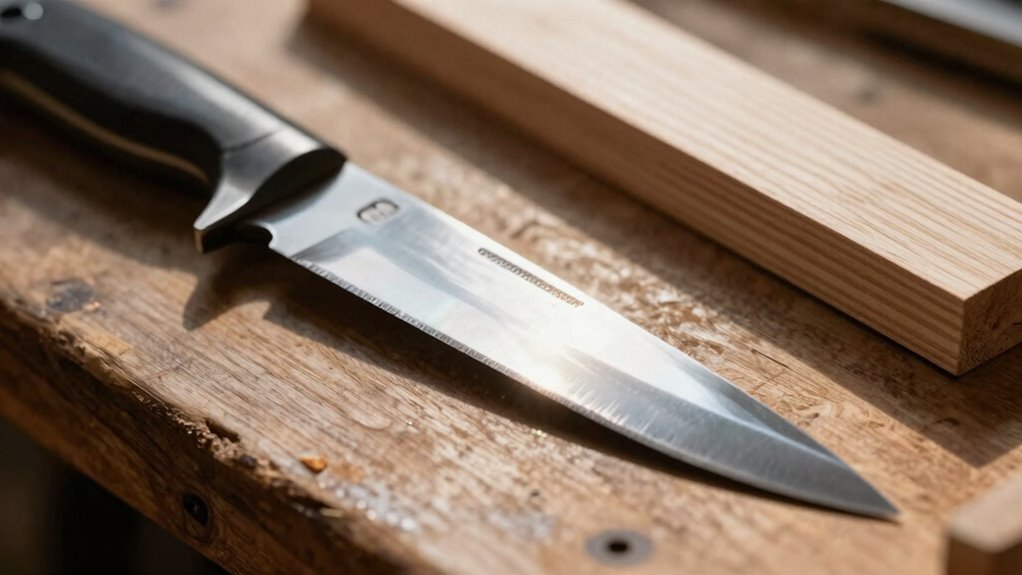
When you’re selecting a fine-cut blade, it’s essential to reflect on the material you’ll be working with, as this can markedly impact your results. Different blade materials offer various advantages and drawbacks depending on the project at hand. For wood, a high-speed steel (HSS) blade might suffice, but if you’re cutting through harder materials, you might want to take into account carbide-tipped blades. These blades not only stay sharper longer but also handle tougher cuts with ease, ensuring your trim looks crisp and professional.
Understanding the cutting techniques you’ll employ is equally important. If you plan to make intricate cuts, a fine-tooth blade would be ideal, as it produces cleaner edges and minimizes chipping. In contrast, if speed is your priority, a blade with fewer teeth will allow you to cut through material more quickly, though with a slightly rougher finish. Knowing how your chosen blade interacts with the material will help you achieve the finish you desire. Additionally, considering cutting techniques can guide you in selecting the most suitable blade for your specific project. Incorporating blade compatibility with your tools is also crucial to ensure safe and efficient operation.
Understanding your cutting techniques is crucial; a fine-tooth blade ensures clean edges for intricate cuts, while fewer teeth enhance cutting speed.
When it comes to blade materials, you also have options like bi-metal blades, which combine flexibility and strength. These are particularly useful when you need to navigate curves or intricate designs. They’re tough enough to withstand the stress of various cutting techniques, making them a versatile choice for both amateurs and professionals. It’s worth investing time to match the right blade material to your specific cutting needs. Furthermore, understanding the material properties of your blades can help you optimize their performance and longevity.
For those who frequently switch between different materials, having a variety of blades on hand is beneficial. This allows you to easily adapt to different projects without compromising quality. A specialized fine-cut blade can drastically change the outcome of your work, transforming a simple trim into a standout feature.
Moreover, sharpening your blades regularly is key to maintaining their effectiveness. Dull blades can lead to uneven cuts and increased effort on your part, which not only frustrates you but also detracts from the overall quality of your work. A well-maintained blade is integral to mastering your cutting techniques, ensuring that each pass is smooth and precise. Additionally, understanding the blade materials and their specific properties can help you make more informed choices, leading to better results in your projects. It’s also important to consider blade compatibility with your tools to ensure safe and efficient operation.
Ultimately, the right fine-cut blade is about more than just choosing a tool; it’s about understanding how blade materials and cutting techniques work together. When you take the time to select the appropriate blade, you set yourself up for success, allowing your projects to shine with a professional finish. So, reflect on your materials, refine your techniques, and make that fine-cut blade choice count.
As an affiliate, we earn on qualifying purchases.
Frequently Asked Questions
How Do I Maintain My Fine-Cut Blade for Optimal Performance?
To maintain your fine-cut blade for peak performance, start with regular blade cleaning techniques. After each use, wipe it down to remove debris and sap. For sharpening methods, use a fine honing stone or a specialized blade sharpener to keep the edge crisp. Don’t forget to check the alignment, as it affects cutting precision. By following these steps, you’ll guarantee your blade stays in top shape and delivers clean, precise cuts.
What Materials Are Best Suited for Fine-Cut Blades?
For fine-cut blades, high-carbon steel and stainless steel are your best bets. These blade materials offer excellent cutting efficiency, ensuring clean, precise cuts. High-carbon steel is tough and holds an edge well, while stainless steel resists rust, making it ideal for various environments. You’ll want to choose a blade that suits your specific needs, as the right material can greatly enhance your trimming tasks and overall performance.
Can Fine-Cut Blades Be Used on All Trimming Machines?
Fine-cut blades aren’t universally compatible with all trimming machines. Before you use one, check your machine’s specifications for blade compatibility. Different trimming techniques may also require specific blade types to achieve the finest results. If your machine supports fine-cut blades, you’ll likely notice a significant improvement in precision. Always verify you’ve matched the right blade to your equipment for peak performance and safety during your trimming tasks.
How Often Should I Replace My Fine-Cut Blade?
You should replace your fine-cut blade every 20 to 30 hours of use for peak performance. Curiously, a dull blade can increase trimming time by up to 30%. Keep an eye out for replacement signs like uneven cuts, excessive noise, or a burning smell. Regularly checking the blade lifespan helps you maintain efficiency and quality in your work, ensuring that your projects always look their best without unnecessary hassle.
Are There Safety Tips for Using Fine-Cut Blades?
When using fine-cut blades, always prioritize safety. Wear appropriate safety gear, like goggles and gloves, to protect yourself from potential injuries. Handle the blade carefully—always cut away from your body and keep your fingers clear of the cutting path. Confirm your workspace is clean and well-lit to avoid accidents. Finally, always store blades securely when not in use to prevent any unintended contact. Stay safe while working!
Conclusion
So, you thought choosing a fine-cut blade was just about sharpness, huh? Ironically, it’s not just about cutting through materials with precision; it’s about elevating your entire project. A good blade doesn’t just trim—it transforms. You might’ve assumed all blades were created equal, but the right choice makes your work look effortlessly polished. Who knew that a simple blade could turn a mundane task into a masterpiece? Next time, remember: it’s the little things that make a big difference.