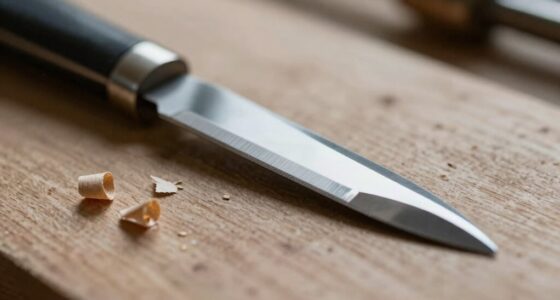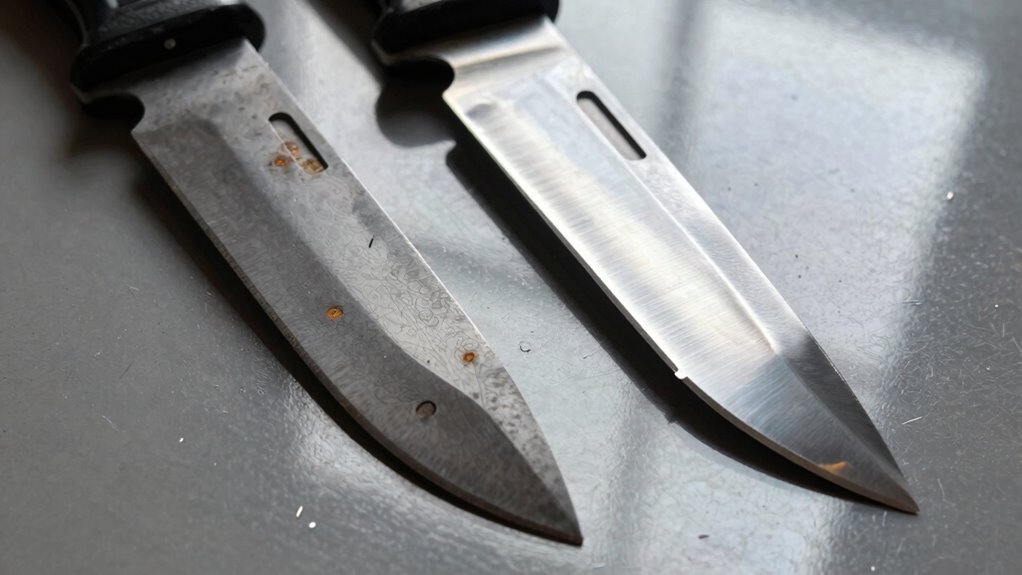

Cleaning your blades involves removing dirt, debris, and rust to keep them functioning smoothly, while sharpening restores their cutting edge for cleaner, more precise cuts. Regular cleaning prevents buildup, reducing how often you need to sharpen, which saves money and extends the blade’s life. Sharpening is necessary when blades become dull, but overdoing it can cause damage. Mastering the right balance between cleaning and sharpening ensures peak performance and long-term savings—if you keep going, you’ll discover more tips to maintain your blades effectively.
Key Takeaways
- Cleaning removes dirt and debris to prevent blade dulling and corrosion, extending the blade’s lifespan and reducing replacement costs.
- Sharpening restores the blade’s cutting edge, ensuring cleaner cuts and preventing damage caused by dull blades.
- Regular cleaning delays the need for sharpening, saving time and money on frequent maintenance.
- Proper sharpening techniques prevent unnecessary blade wear, avoiding premature replacement expenses.
- Combining cleaning and sharpening practices optimizes tool performance and longevity, leading to overall cost savings.
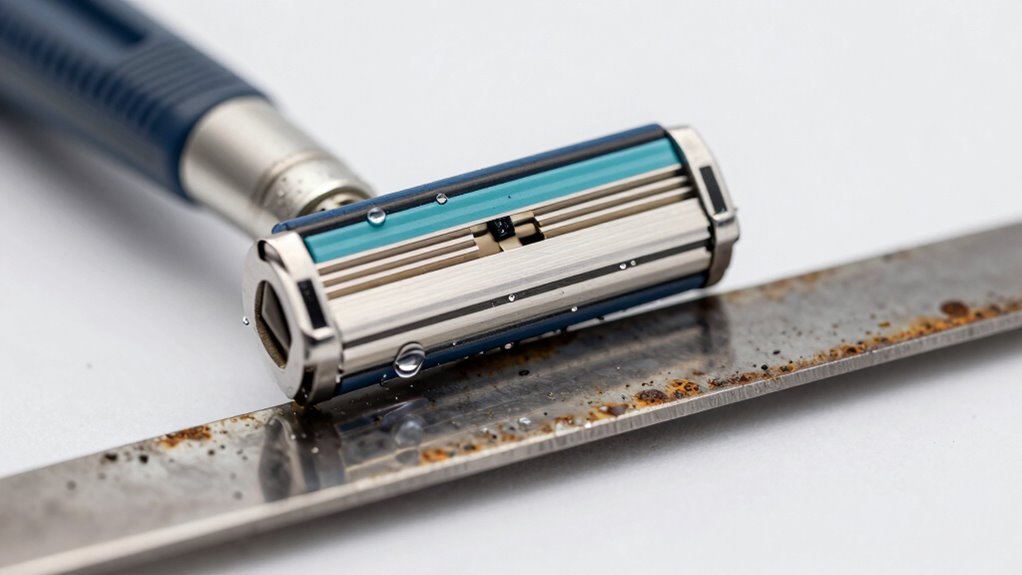
When it comes to maintaining your blades, understanding the difference between cleaning and sharpening is essential. Both are crucial for optimal performance, but they serve different purposes. Cleaning involves removing dirt, debris, and buildup that can dull the blade over time, while sharpening restores the edge, making cuts cleaner and easier. Knowing when and how to do each can save you money and extend the lifespan of your tools. Proper maintenance also includes considering projector image quality, as a sharp blade ensures precision in cutting tasks, similar to how a high contrast ratio enhances visual clarity in projectors.
First, let’s clarify the importance of safety precautions. Before cleaning or sharpening, always wear appropriate protective gear—gloves and eye protection are a must. Sharp blades can cause injuries if mishandled, especially during sharpening. Ensure your workspace is well-lit, stable, and free of clutter. Disconnect power tools from their power source before maintenance to prevent accidental starts. When cleaning blades, avoid using harsh chemicals that might corrode the metal; instead, opt for mild soap and water or a specialized blade cleaner. For sharpening, use the proper tools, such as a sharpening stone or a grinder suited for your blade type, and follow the manufacturer’s instructions carefully.
Maintenance tips for cleaning include regularly wiping down blades after use to prevent buildup of sap, resin, or dirt. Use a soft brush or cloth to remove debris from hard-to-reach areas, and consider applying a light coat of oil afterward to prevent rust. For blades exposed to moisture or outdoor elements, drying thoroughly is vital. When sharpening, focus on maintaining the original bevel angle to keep the blade’s effectiveness. Dull blades require less frequent sharpening if they’re kept clean and free of debris. Sharpen only when necessary—over-sharpening can wear out the blade prematurely. Check for signs of damage, such as chips or cracks, which might require professional repair or replacement instead of sharpening.
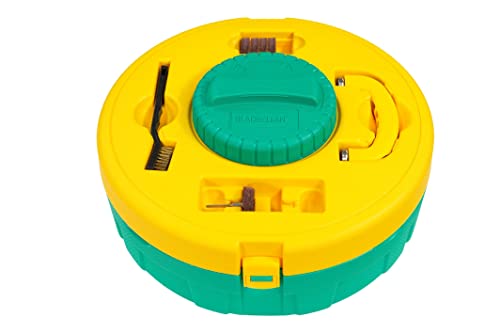
MICROJIG BLADECLEAN Saw Blade Router Bit Cleaning Kit System, Woodworking Tools Accessories, BC-81012
- Fast Cleaning System: Cleans blades in under a minute
- Magnetic Handle: Ensures safe blade handling
- Scoring Pad: Cleans entire blade side quickly
As an affiliate, we earn on qualifying purchases.
As an affiliate, we earn on qualifying purchases.
Frequently Asked Questions
How Often Should I Clean or Sharpen My Blades?
You should clean your blades weekly and sharpen them every 20 to 40 hours of use, depending on blade durability and work conditions. Regular maintenance guarantees peak performance and prevents unnecessary wear. If you notice dull cuts or increased effort, it’s time to sharpen. Consistently maintaining your blades reduces replacement costs and keeps your equipment running smoothly, saving you money in the long run.
Can I Clean and Sharpen Blades at Home?
Like a craftsman in his workshop, you can clean and sharpen blades at home with DIY tips. Just remember, safety precautions are essential—wear gloves, eye protection, and follow proper procedures. Use a file or sharpening stone carefully, and clean blades thoroughly afterward. While it’s doable, if you’re unsure or dealing with delicate blades, consider professional services to avoid damage or injury.
What Signs Indicate My Blades Need Cleaning or Sharpening?
You’ll notice your blades need cleaning or sharpening if you see blade corrosion or experience uneven cuts. Dull blades also cause more effort and produce rough, jagged edges. To keep your blades in top shape, monitor sharpening frequency—generally every few months depending on use. Regular cleaning prevents corrosion buildup and maintains blade efficiency, saving you time and money in the long run. If you spot these signs, it’s time to act.
Are Professional Services Necessary for Blade Maintenance?
Professional services aren’t always necessary for blade maintenance, especially if you want cost-effective solutions and enjoy DIY maintenance. You can clean or sharpen your blades at home using proper tools and techniques, which saves you money long-term. However, if you’re unsure or notice significant damage, consulting a professional guarantees your blades are properly maintained and safe to use. This balance helps you keep your equipment in top shape without overspending.
How Do Cleaning and Sharpening Impact Blade Lifespan?
Cleaning and sharpening extend your blade’s lifespan by preventing blade corrosion and ensuring peak performance. For example, a landscaper who regularly cleans and uses proper sharpening techniques finds their blades last twice as long. Keeping blades free of debris and corrosion prevents dullness, while precise sharpening techniques restore cutting edges, reducing the need for early replacements. Regular maintenance saves you money and keeps your blades working efficiently longer.
Conclusion
In the end, understanding the difference between blade cleaning and sharpening is like knowing which tool to use for each job—each saves you money and extends your blade’s life. Regular cleaning keeps your blades smooth and efficient, while sharpening restores their sharp edge when they dull. Think of it as nurturing a trusted friend—caring for your blades guarantees they serve you well for years to come, turning everyday chores into effortless victories.