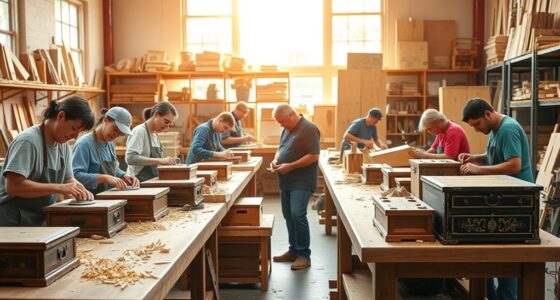
Starting with just a single coffee table, you develop essential woodworking skills like measuring, cutting, and finishing. You showcase your craft online, sharing behind-the-scenes stories that connect with customers. By engaging in local markets and using targeted marketing, you attract clients seeking unique, handcrafted pieces. Over time, your dedication and strategic efforts help your small project grow into a thriving furniture business. Keep exploring to discover how turning a simple idea can lead to success.
Key Takeaways
- Started with basic woodworking skills on a single coffee table, building a strong foundation.
- Created an authentic online presence showcasing the craft process to attract customers.
- Engaged in local markets, gaining visibility and positive word-of-mouth referrals.
- Targeted specific audiences through social media and collaborations with interior designers.
- Expanded from small projects to a thriving business by combining craftsmanship, marketing, and persistence.
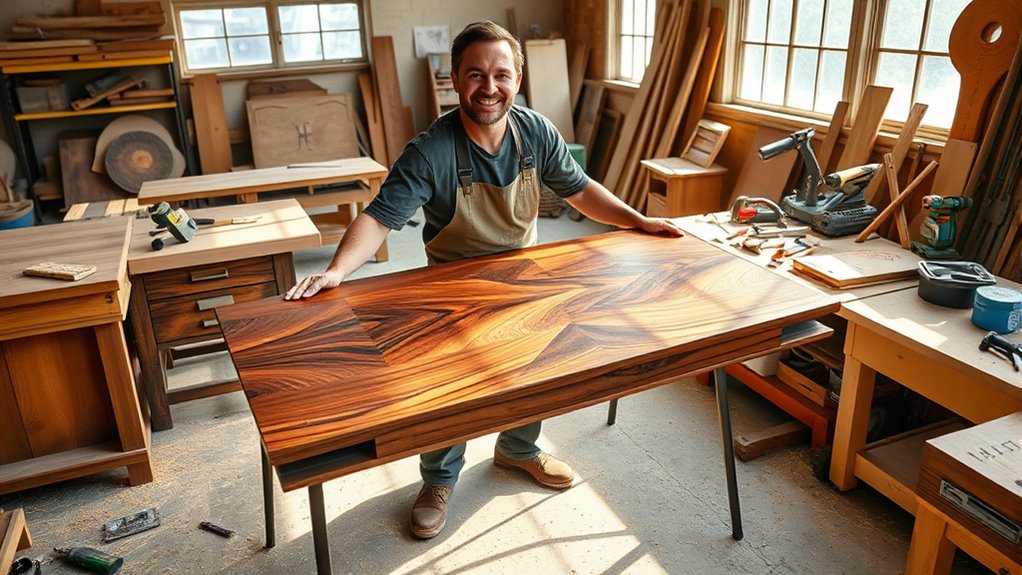
Turning a simple coffee table into a thriving custom furniture business might sound unlikely, but for Jamie, it became a reality through passion and persistence. It all started with a single table that sparked their interest in woodworking techniques. You might think that creating custom furniture requires expensive tools or formal training, but Jamie proved that with dedication and the right approach, you can turn basic skills into a successful venture. They began by mastering fundamental woodworking techniques—measuring accurately, cutting precisely, and finishing smoothly. These skills laid the foundation for crafting high-quality pieces that clients loved. As Jamie’s confidence grew, so did their portfolio of unique, handcrafted furniture, each piece reflecting attention to detail and craftsmanship.
But creating beautiful furniture was only part of the equation. To turn this hobby into a business, Jamie had to learn effective marketing strategies. They started by building an online presence—setting up a website showcasing their work, sharing behind-the-scenes videos, and posting regularly on social media. You should focus on telling your story too, because customers connect with authenticity. Showcasing your process, from selecting wood to the finishing touches, helps build trust and highlights your craftsmanship. Additionally, Jamie engaged with local markets and craft fairs, which helped spread the word about their brand. Word-of-mouth and positive reviews soon brought in new clients, but they knew they had to be strategic.
Jamie also optimized their marketing strategies by targeting specific audiences who appreciated custom, handcrafted furniture. They used social media ads to reach homeowners looking for unique pieces and collaborated with interior designers who could recommend their work. A key part of their success was understanding that marketing isn’t just about promotion; it’s about creating a consistent brand that reflects quality and personality. They responded promptly to inquiries, offered personalized consultations, and made sure every customer felt valued. These strategies helped establish credibility and differentiate Jamie’s business from mass-produced furniture.
Over time, Jamie’s dedication to perfecting woodworking techniques and refining marketing strategies paid off. Their small start with a single coffee table evolved into a thriving business, with custom pieces that command premium prices. Interestingly, incorporating natural materials can significantly elevate the rustic charm of a piece and appeal to a broader clientele. The journey shows that with the right skills, a clear marketing plan, and relentless effort, you can turn a simple idea into a profitable venture. The journey shows that with the right skills, a clear marketing plan, and relentless effort, you can turn a simple idea into a profitable venture. Whether you’re just starting or looking to grow, remember that persistence, continuous learning, and strategic promotion are key. Your passion for woodworking combined with smart marketing can truly transform your craft into a sustainable business.

Wood Carving Kit Whittling Kit: Deluxe Wood Carving Tools Knife Set with Leather Case – Woodworking Hobby Kit for Beginners Adults Kids – DIY Art Craft Gift for Men Teens
[Wood Carving Kit Deluxe Edition] Everything you need to start carving: 4 knives, 4 chisels, 7 basswood blocks,…
As an affiliate, we earn on qualifying purchases.
As an affiliate, we earn on qualifying purchases.
Frequently Asked Questions
What Inspired the Initial Idea for the Furniture Business?
Your creative inspiration came from a desire to transform everyday objects into unique, functional art. You found design motivation in experimenting with different materials and styles, which sparked your passion for custom furniture. Seeing how a simple coffee table could become a personal statement motivated you to start your own business. This blend of creativity and design drive pushed you to turn your ideas into a thriving venture.
How Did the Founder Finance the Startup Phase?
You financed your startup by securing bank loans and pitching to angel investors, which provided the necessary capital to purchase tools and materials. You actively reached out to local banks for small business loans and prepared compelling presentations for angel investors, highlighting your unique designs and growth potential. This combination of funding sources helped you get your custom furniture business off the ground and start creating your signature pieces.
What Challenges Were Faced in Scaling the Business?
You face challenges in scaling your furniture business, especially maintaining craftsmanship quality as production increases. Balancing customer feedback becomes tricky; while it guides improvements, it can also create inconsistent expectations. You need to refine your processes to make certain each piece meets your high standards, even with larger orders. Investing in training and quality control helps you grow without compromising the craftsmanship quality that originally set your business apart.
How Does the Business Market Its Custom Furniture?
Imagine your furniture business as a lighthouse guiding customers home. You leverage social media marketing to showcase your craftsmanship, attracting a wider audience. Additionally, you build local partnerships with interior designers and home decor stores, creating a network that spreads your brand organically. Regular posts, behind-the-scenes stories, and collaboration events help you stand out and draw in clients enthusiastic for unique, custom pieces.
What Future Plans Does the Company Have for Growth?
You plan to pursue expansion strategies by adding new product lines and enhancing your online presence. Market diversification will be key, so you’ll explore reaching different customer segments and geographic areas. You’re committed to innovating your designs and leveraging social media to attract a broader audience. With these growth plans, you aim to strengthen your brand, increase sales, and establish a more substantial footprint in the furniture industry.
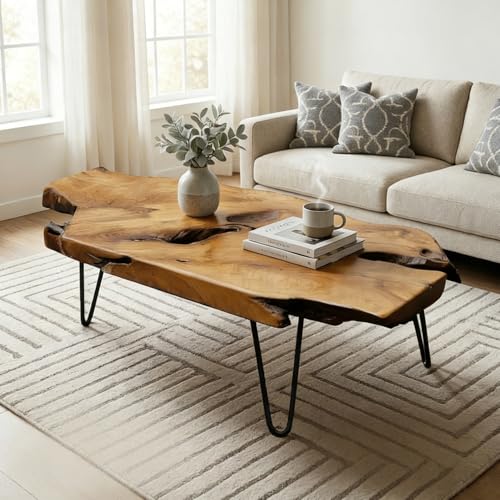
Nalvyue Unique Natural Wood Live Edge Coffee Table for Living Room – Handcrafted Solid Wood One of a Kind Design with Organic Shape
Handcrafted Live Edge Wood: Each piece of our Live Edge Coffee Table is meticulously from genuine, showcasing its…
As an affiliate, we earn on qualifying purchases.
As an affiliate, we earn on qualifying purchases.
Conclusion
As you stand on the brink of turning your passion into a thriving business, one coffee table can be just the beginning. Imagine the possibilities that lie ahead—each piece telling a story, each customer craving something unique. The next chapter is yours to create, filled with challenges and triumphs. Will you seize this moment and transform your craft into a lasting legacy? The future of your custom furniture journey is waiting to unfold—are you ready to take the leap?
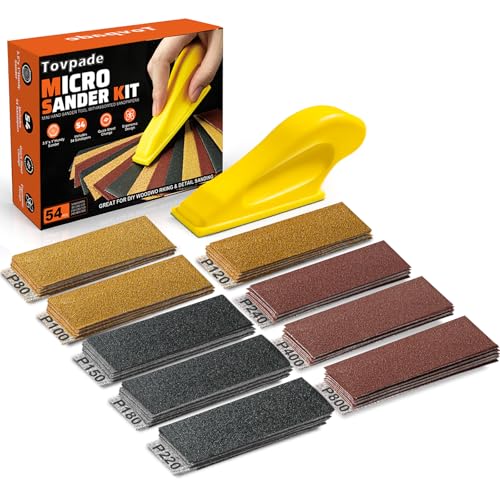
TOVPADE 54PCS Premium Micro Sander, Detail & Mini Sander Block – Precision Small Hand Sanding Tool, 80–800 Grit Sandpaper Kit, 3-in-1 Set for Wood, Crafts, Furniture, Tight Spaces & DIY Projects
All-in-One Sanding Kit for Every Detail: Includes a compact sanding block and 54 sandpapers in 9 grit types…
As an affiliate, we earn on qualifying purchases.
As an affiliate, we earn on qualifying purchases.

FastCap Custom Color Punch Kit Cabinet Making
On-Demand Custom Caps: Easily create perfectly matched caps from your own veneer or edgebanding. Suitable for small-scale cabinet…
As an affiliate, we earn on qualifying purchases.
As an affiliate, we earn on qualifying purchases.