
When choosing floor materials, prioritize anti-fatigue mats that offer both comfort and durability, especially for long periods of standing. Look for high-quality options like rubber mats that resist wear and tear and provide good slip resistance, ensuring safety and longevity. Cheaper mats might save money initially but often wear out faster, leading to more replacements. Investing in durable, ergonomic mats can enhance your well-being and productivity—explore more to find the best fit for your space.
Open a free Amazon Business account
Business pricing, bulk buying and tax-exempt orders.
As an affiliate, we earn on qualifying purchases.
Key Takeaways
- Prioritize high-quality, durable materials like rubber for long-lasting anti-fatigue mats in high-traffic areas.
- Consider the environment’s demands, such as moisture or heavy use, when selecting the mat’s material and features.
- Balance initial cost with long-term durability benefits to ensure cost-effectiveness over time.
- Opt for mats with slip resistance and water resistance to enhance safety and longevity.
- Match the flooring choice to specific ergonomic needs to improve comfort and reduce fatigue during prolonged standing.
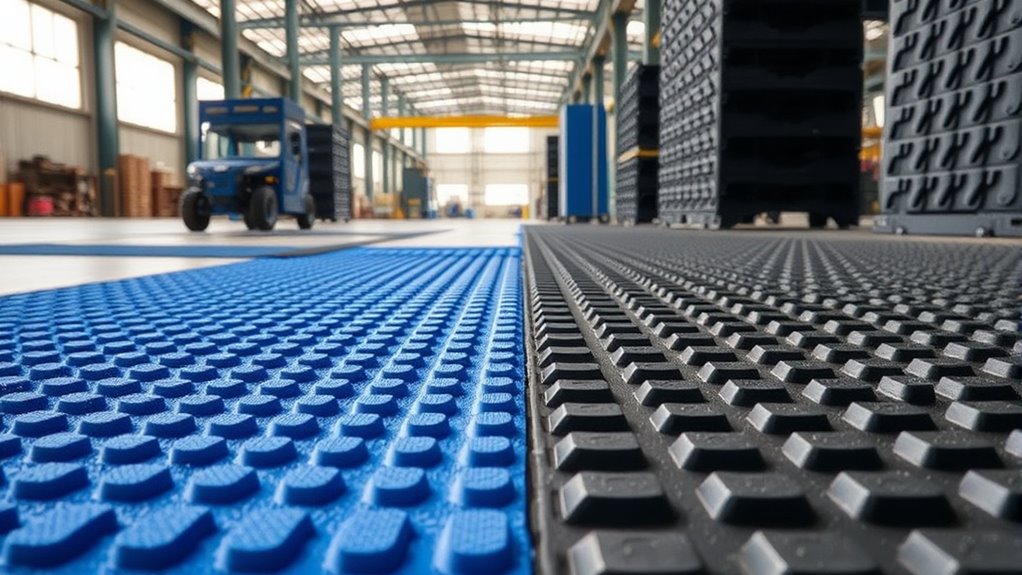
Are you unsure which flooring material best suits your space? Choosing the right option can considerably impact comfort, safety, and overall efficiency, especially if you spend long hours standing. Anti-fatigue mats are a popular choice for areas where comfort matters most, as they provide ergonomic benefits that help reduce fatigue and strain on your legs and back. These mats work by promoting better circulation and reducing pressure points, making them ideal for workplaces, kitchens, or standing desks at home. When evaluating anti-fatigue mats, consider their ergonomic benefits carefully—if you’re on your feet all day, investing in a quality mat can improve your well-being and productivity. Additionally, think about cost considerations, as higher-quality mats might have a higher initial price but often last longer and perform better over time. Cheaper options may seem appealing upfront, but they could wear out quickly, leading to more frequent replacements and higher costs in the long run. Durability is a key factor to ensure your investment pays off over time.
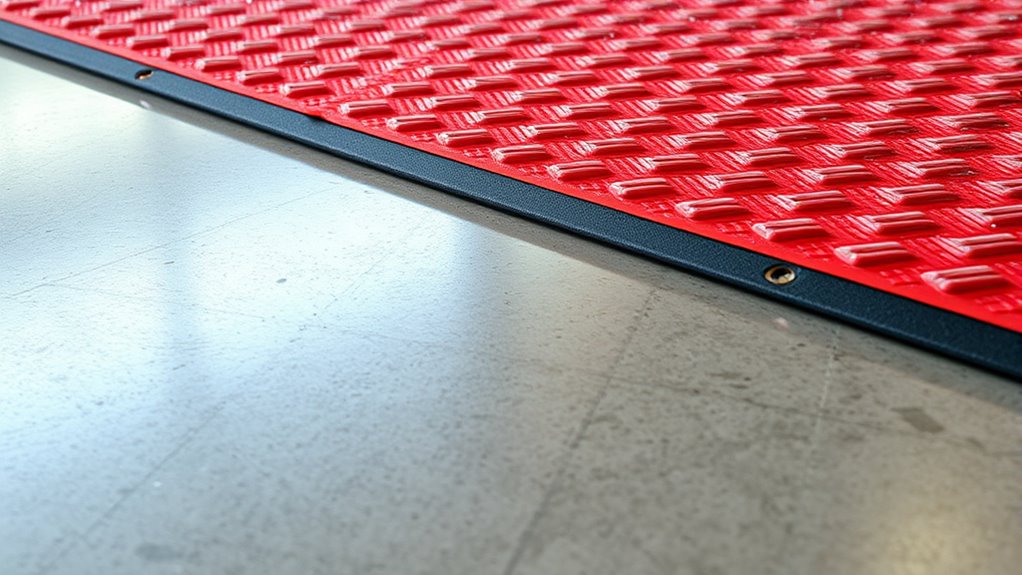
Durability is another key factor that influences your decision. Not all flooring materials or mats are created equal, especially when subjected to heavy use or harsh conditions. For high-traffic areas or environments that require frequent cleaning, look for materials with high durability ratings. Rubber mats, for example, are well-known for their resilience—they withstand heavy loads, resist tearing, and maintain their shape over years of use. Conversely, softer materials like foam might be more comfortable initially but tend to degrade faster under constant pressure or moisture exposure. When choosing anti-fatigue mats, check for features like slip resistance and water resistance, which further enhance durability and safety. Remember, a durable mat not only saves you money by reducing replacement costs but also ensures consistent ergonomic support.
Ultimately, balancing ergonomic benefits, cost considerations, and durability guides you toward the best flooring solution for your needs. If comfort and long-term savings are priorities, investing in a high-quality anti-fatigue mat makes sense. It might cost more upfront, but the benefits—reduced fatigue, improved posture, and increased productivity—often outweigh the initial expense. If your environment demands tougher, more resilient flooring, look for options that combine strength with comfort. The key is to assess your specific needs, usage frequency, and budget, so you can choose a floor material that delivers both comfort and longevity. Making an informed decision now will pay off by creating a safer, more comfortable space that supports your daily activities efficiently.
rubber anti-fatigue mats for standing desks
As an affiliate, we earn on qualifying purchases.
As an affiliate, we earn on qualifying purchases.
Frequently Asked Questions
How Do Anti-Fatigue Mats Affect Overall Workspace Safety?
Anti-fatigue mats improve your workspace safety by providing ergonomic benefits that reduce fatigue and discomfort during long hours on your feet. They also offer slip resistance, preventing slips and falls, especially in areas prone to spills or moisture. By cushioning your steps and enhancing stability, these mats help you stay safer, more comfortable, and more productive throughout your workday.
What Maintenance Is Required for Long-Term Durability of Mats?
Think of your mats as the unsung heroes of your workspace—you need to keep them in top shape. To guarantee long-term durability, stick to regular cleaning routines that remove dirt and debris, which can wear down the surface. Also, follow a replacement schedule to address signs of wear before they compromise safety. This proactive care keeps your mats effective and your workspace safe, like a trusted guardian standing firm.
Are Anti-Fatigue Mats Suitable for Outdoor Environments?
Anti-fatigue mats aren’t typically suitable for outdoor environments because they often lack the necessary outdoor durability and weather resistance. Exposure to rain, sunlight, and temperature fluctuations can cause them to degrade quickly. If you need mats outside, look for those specifically designed for outdoor use, with features like UV resistance and waterproofing. This guarantees they withstand weather conditions and maintain their protective benefits over time.
How Do Different Materials Impact Comfort and Support?
Different materials markedly impact comfort and support by offering varying levels of flexibility and cushioning. You’ll find that softer, flexible materials like rubber or foam provide better cushioning, reducing fatigue during long standing periods. Firmer materials like vinyl or rubber tiles offer more support but less flexibility. Choosing the right balance depends on your needs; flexible materials enhance comfort, while firmer options provide stability and support.
What Are the Environmental Impacts of Various Flooring Options?
You should consider the environmental impacts of flooring options, focusing on recycling potential and material biodegradability. Some materials, like bamboo and cork, offer high biodegradability, breaking down naturally without harming the environment. Others, like vinyl or certain plastics, have limited recycling potential and may persist in landfills. Choosing eco-friendly options reduces waste and supports sustainability, helping you minimize your ecological footprint.
Conclusion
Remember, you get what you pay for, so choose your floor materials wisely. Anti-fatigue mats and durable options might cost a bit more upfront, but they’ll save you money and effort in the long run. Prioritize comfort and longevity to create a safe, efficient workspace. When it comes to flooring, don’t cut corners—because a solid foundation is the key to lasting success. Invest now, and your floors will thank you later.
NFL season / tailgating Picks
team gear
As an affiliate, we earn on qualifying purchases.