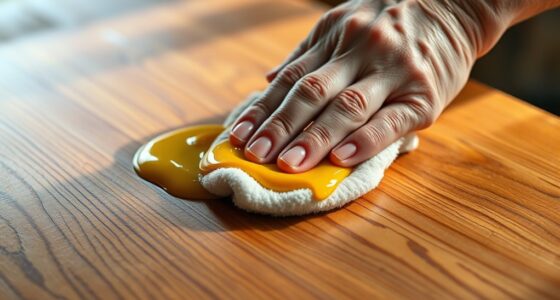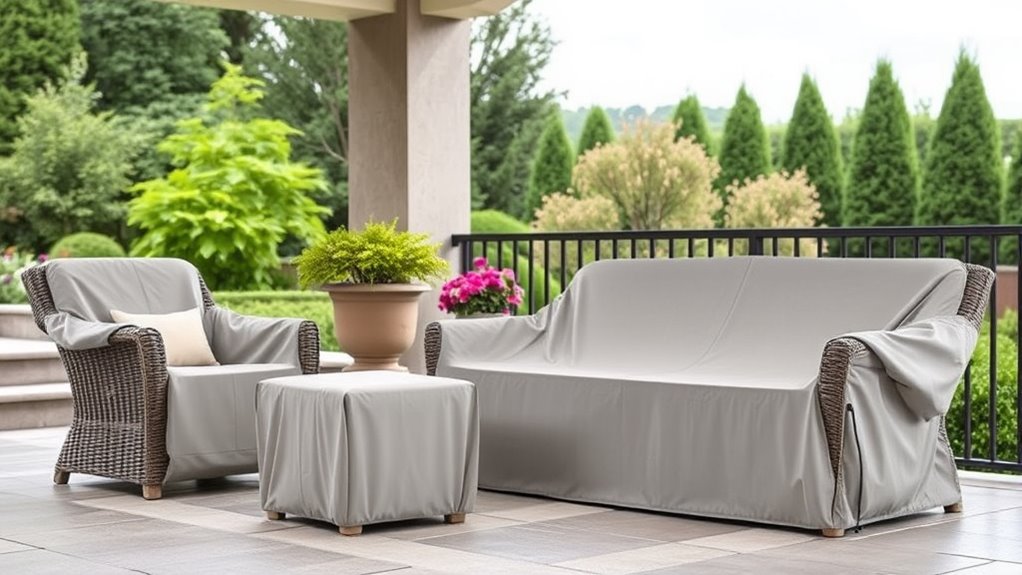

To keep your outdoor furniture in top shape, regularly clean it using gentle soap and water, and dry thoroughly to prevent moisture damage. Apply weatherproof coatings like sealants for wood, rust-inhibiting paints for metal, or UV protectants for plastic or resin. Use sturdy covers to shield furniture from rain, snow, and sun when not in use. Proper maintenance extends the lifespan of your furniture, and discovering more tips can help keep your outdoor space looking great year-round.

Get business pricing on tools and workshop supplies
- Business-only prices and quantity discounts
- Tax-exempt purchasing
- Multiple users, one account, clear invoices
Key Takeaways
- Regularly clean furniture with gentle soap and water, drying thoroughly to prevent moisture damage.
- Apply weatherproof coatings like sealants or stains to protect wood and prevent deterioration.
- Use rust-inhibiting paints for metal furniture to prevent corrosion from moisture and environmental exposure.
- Install durable covers when not in use to shield furniture from rain, UV rays, and dirt.
- Reapply protective coatings periodically and ensure proper drying after cleaning to extend furniture lifespan.
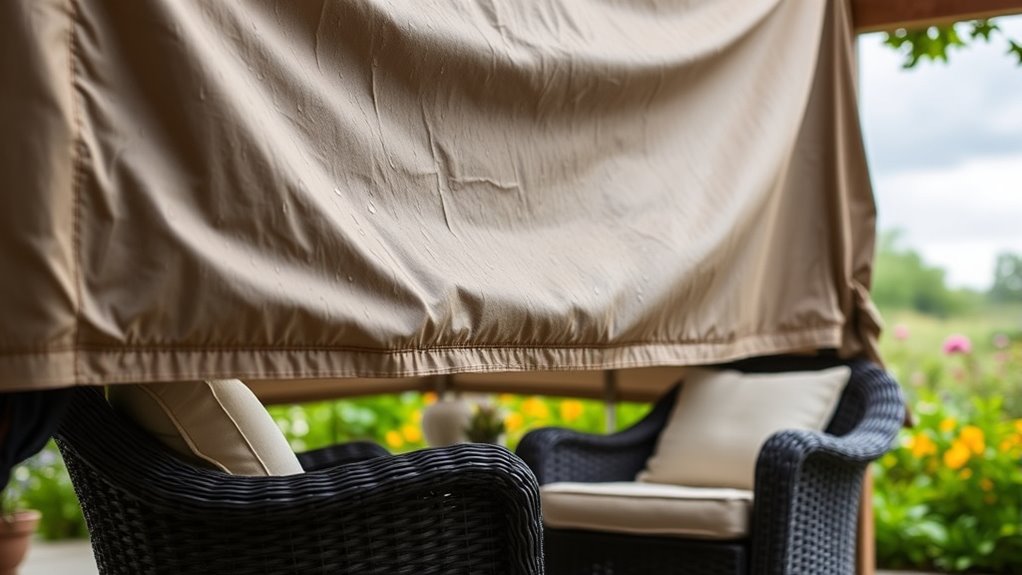
Outdoor furniture adds charm and comfort to your yard, but it requires regular maintenance to stay looking its best. One of the most effective ways to keep your furniture in top shape is through proper cleaning techniques. Regularly removing dirt, dust, and debris prevents buildup that can cause staining or deterioration over time. Use a gentle soap mixed with water and a soft brush or cloth to clean surfaces thoroughly. For stubborn stains or mold, a mixture of vinegar and water can be effective without damaging the material. It’s important to rinse everything well afterward and let it dry completely to prevent moisture from seeping in. Proper cleaning helps maintain the appearance and extends the life of your outdoor furniture. Additionally, consulting store hours for local retailers can help you find the right tools and products for your maintenance routine.
Alongside cleaning, applying protective coatings plays an essential role in weatherproofing your outdoor furniture. Protective coatings create a barrier that shields the material from moisture, UV rays, and other environmental elements. If your furniture is made of wood, consider applying a high-quality sealant or weatherproof stain designed specifically for outdoor use. These coatings penetrate the wood, preserving its natural look while preventing rot and warping. For metal furniture, using a rust-inhibiting paint or finish can prevent corrosion caused by rain and humidity. Synthetic materials like plastic or resin often need UV protectant sprays to prevent fading and cracking. Regularly reapplying protective coatings ensures your furniture remains resilient against the elements, reducing the need for costly repairs or replacements.
outdoor furniture weatherproof covers
As an affiliate, we earn on qualifying purchases.
As an affiliate, we earn on qualifying purchases.
Frequently Asked Questions
How Often Should I Reapply Weatherproofing Treatments?
You should reapply weatherproofing treatments at least once a year, ideally during your seasonal maintenance routine. Regular cleaning schedules help maintain the protective layer, so clean your furniture before reapplying. If you notice signs of wear or damage, reapply sooner. Proper upkeep guarantees your outdoor furniture stays protected against the elements, extending its lifespan. Consistent weatherproofing keeps your furniture looking good and functioning well throughout the seasons.
Are Waterproof Covers Suitable for All Outdoor Furniture Types?
You might find waterproof covers suitable for many outdoor furniture types, but not all. It’s essential to check cover material compatibility to guarantee proper protection. When installing, use cover installation tips like securing covers tightly and avoiding direct contact with furniture surfaces. Keep in mind, a snug fit prevents water from seeping in and protects your furniture, turning a simple cover into a reliable shield against weather damage.
Can I Store Covers Outdoors Year-Round?
Yes, you can store covers outdoors year-round, but choose ones with durable materials like heavy-duty polyester or vinyl to withstand weather. Guarantee the cover offers good ventilation to prevent mold and mildew buildup. Regularly inspect for tears or wear, especially after storms or harsh conditions. Properly stored covers protect your furniture effectively, extending its lifespan, as long as you select weather-resistant materials and provide adequate ventilation.
What Are Eco-Friendly Weatherproofing Options?
Sometimes, nature and innovation collide to protect your outdoor furniture sustainably. You can opt for eco-friendly weatherproofing options like sustainable coatings and natural sealants, which shield your furniture without harming the environment. These alternatives are effective and safe, allowing you to enjoy your outdoor space responsibly. By choosing natural solutions, you combine preservation with eco-consciousness, ensuring your furniture stays durable while respecting the planet’s delicate balance.
How Do I Prevent Mold on Outdoor Cushions?
To prevent mold on outdoor cushions, you should regularly inspect and clean them. Use a mixture of mild soap and water for cushion cleaning, and make sure to dry them thoroughly afterward. To enhance mold prevention, keep cushions in a well-ventilated, shaded area and consider using breathable covers. Avoid leaving cushions damp or exposed to rain, as moisture encourages mold growth. Proper maintenance keeps your cushions fresh and mold-free.
Conclusion
By weatherproofing your outdoor furniture and using covers, you’re giving yourself a leg up on the elements. Regular maintenance keeps your furniture looking sharp and lasting longer, saving you money in the long run. Remember, a stitch in time saves nine—addressing small issues early prevents bigger problems later. With a little effort, you’ll enjoy a cozy, inviting outdoor space that’s ready for whatever the weather throws your way. Keep your furniture protected and it’ll serve you well for years to come.
Fall yard work Picks
leaf blowers
As an affiliate, we earn on qualifying purchases.