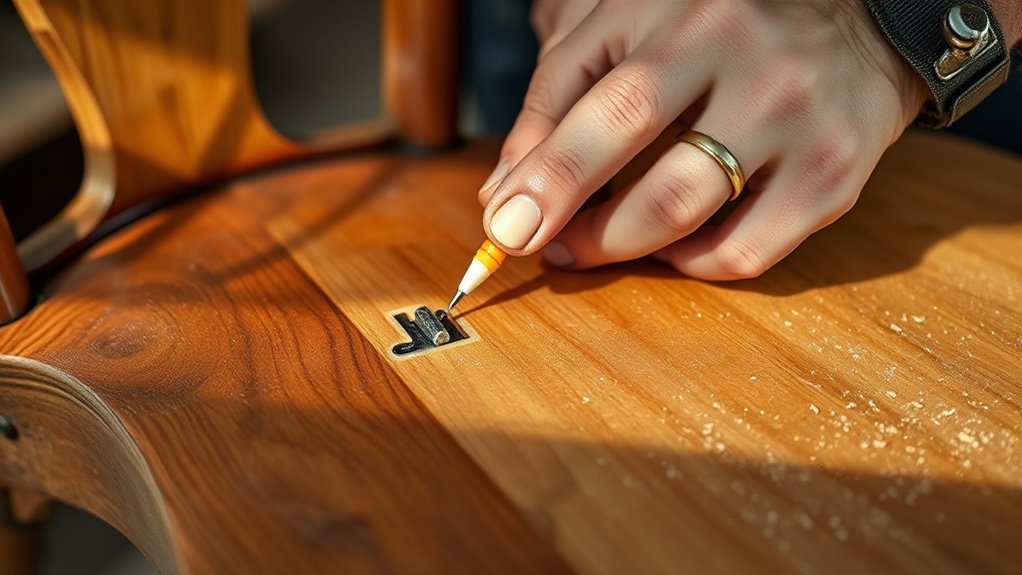

To extend your furniture’s life, focus on regular maintenance and prompt repairs. Upholstery restoration can breathe new life into worn pieces by replacing fabrics, padding, or springs, while fixing drawers with lubrication or handle replacements keeps them functional. Addressing damage early prevents costly replacements, saving you money. With proper care, your furniture stays durable and attractive for years to come. Keep exploring how simple repairs can make a big difference.

Get business pricing on tools and workshop supplies
- Business-only prices and quantity discounts
- Tax-exempt purchasing
- Multiple users, one account, clear invoices
Key Takeaways
- Regularly inspect furniture for early signs of wear like fraying, sagging, or loose joints to address issues promptly.
- Perform upholstery restoration, such as replacing worn fabric and padding, to refresh appearance and prevent further damage.
- Lubricate drawer tracks, tighten handles, and reinforce joints to maintain functionality and extend furniture lifespan.
- Choose professional repair or DIY methods to fix minor damages, which is more cost-effective than replacement.
- Consistent maintenance and timely repairs help preserve furniture value, enhance durability, and delay the need for replacement.

When your upholstered furniture shows signs of wear, don’t wait until it’s beyond repair. Upholstery restoration is a practical solution that can breathe new life into your chairs, sofas, or ottomans. This process involves more than just superficial cleaning; it includes replacing worn-out fabric, padding, or springs, and sometimes re-stuffing cushions. Restoring upholstery not only improves aesthetics but also enhances comfort. You can choose to have a professional handle the restoration or, if you’re handy, learn some DIY techniques. Properly restored upholstery resists further damage and keeps your furniture looking fresh, saving you the expense of buying new pieces. Recognizing early signs of damage can help you prevent further deterioration, ensuring your furniture remains durable and attractive for years to come. Repairing a damaged drawer involves inspecting the sliders, handles, and joints, then fixing or replacing parts as needed. For example, lubricating the tracks can help a sticking drawer glide smoothly again, while replacing broken handles restores both function and style. If the joints are loose, re-gluing or reinforcing them prevents further wobbling. Doing these repairs promptly keeps your furniture functional and prevents small issues from escalating into complete replacements. Plus, fixing drawers is often straightforward and cost-effective, especially compared to buying new furniture.
As an affiliate, we earn on qualifying purchases.
Frequently Asked Questions
How Often Should I Inspect Furniture for Damage?
You should perform furniture inspections at least once every three to six months to catch damage early. Regular furniture inspection helps you identify issues like loose joints, cracks, or worn surfaces that could lead to bigger problems. By doing so, you actively prevent damage from worsening, which extends the furniture’s lifespan. Keep an eye out for signs of wear and tear, and address minor repairs promptly for effective damage prevention.
What Tools Are Best for Furniture Repair?
For furniture repair, you should choose tools based on your repair techniques. A good selection includes screwdrivers, a hammer, wood glue, clamps, and sandpaper for general fixes. For more detailed work, consider a drill, putty knives, and a saw. Using the right tools makes repairs easier and more effective. Always match your tools to the specific damage, ensuring you can properly restore your furniture and extend its life.
Can DIY Repairs Match Professional Quality?
Diy repair can sometimes match professional quality if you’re patient and use the right techniques. While it’s tempting to think you can do it all, some fixes require expertise and specialized tools. With careful work and attention to detail, you can achieve results that look just as good as a pro’s. Remember, practice makes perfect, so don’t be discouraged if your first attempts aren’t flawless. Keep at it!
How Do I Prevent Future Furniture Damage?
To prevent future furniture damage, you should regularly clean your furniture to remove dirt and prevent wear. Use appropriate furniture cleaning products suited for your material, whether wood, fabric, or metal. Additionally, focus on material selection when purchasing furniture—opt for durable, high-quality materials that resist scratches and stains. Protect your furniture from excessive sunlight, moisture, and rough handling, ensuring it stays in great condition for years to come.
What Are Eco-Friendly Furniture Repair Options?
Ever thought about eco-friendly ways to repair your furniture? You can choose sustainable materials like bamboo or reclaimed wood, and use non-toxic adhesives to fix any damage. Not only do these options protect the environment, but they also guarantee your furniture stays safe for your family. Have you considered how small changes in repair choices can make a big impact on our planet? Embrace greener repairs today!
Conclusion
By repairing your furniture, you don’t just extend its life—you release a timeless masterpiece that defies the ages. Every scratch and scuff becomes a badge of honor, telling a story that no new piece could match. With each careful fix, you’re not just maintaining furniture; you’re safeguarding a treasure chest of memories and craftsmanship so extraordinary, it could outlast civilizations themselves. Embrace repair, and watch your furniture transcend mere utility to become an everlasting symbol of elegance.
Halloween Picks
halloween
As an affiliate, we earn on qualifying purchases.