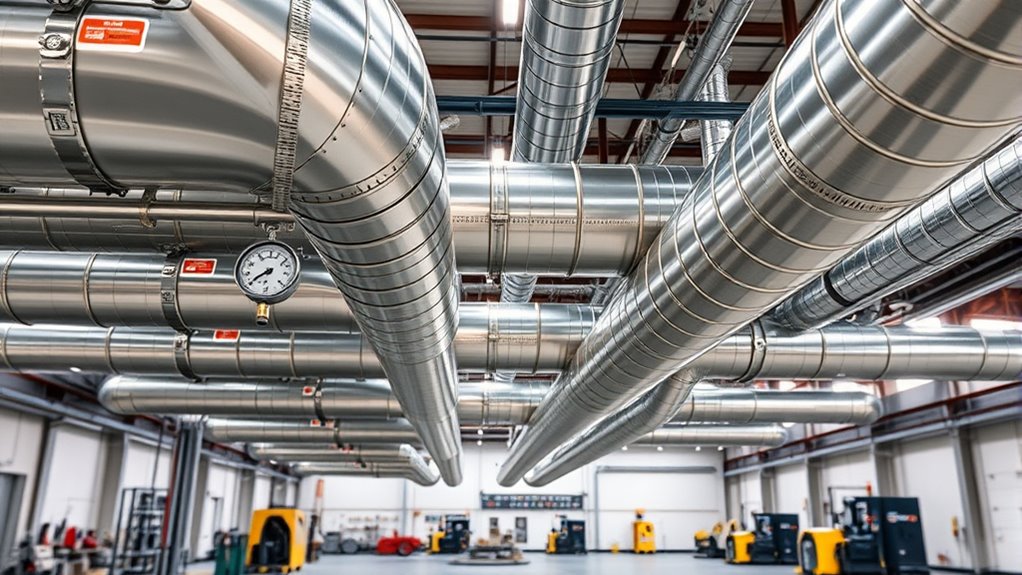

To design an effective dust collection duct layout, you need to understand static pressure and airflow resistance. Keep ducts short, straight, and smoothly curved to reduce resistance that slows airflow. Use appropriately sized, smooth-walled pipes to minimize static pressure increases. Each bend or branch adds to pressure drops, so plan your route carefully. By doing this, you’ll improve system efficiency and reduce energy costs. If you continue, you’ll discover ways to optimize your layout even further.
Key Takeaways
- Minimize duct length, sharp bends, and branches to reduce airflow resistance and static pressure.
- Use smooth, rigid duct materials like PVC or aluminum to lower internal roughness and resistance.
- Properly size ducts to ensure sufficient airflow while minimizing static pressure buildup.
- Keep duct layouts straight and gradual in bends for optimal airflow and pressure management.
- Understanding the relationship between static pressure and airflow helps optimize system efficiency.
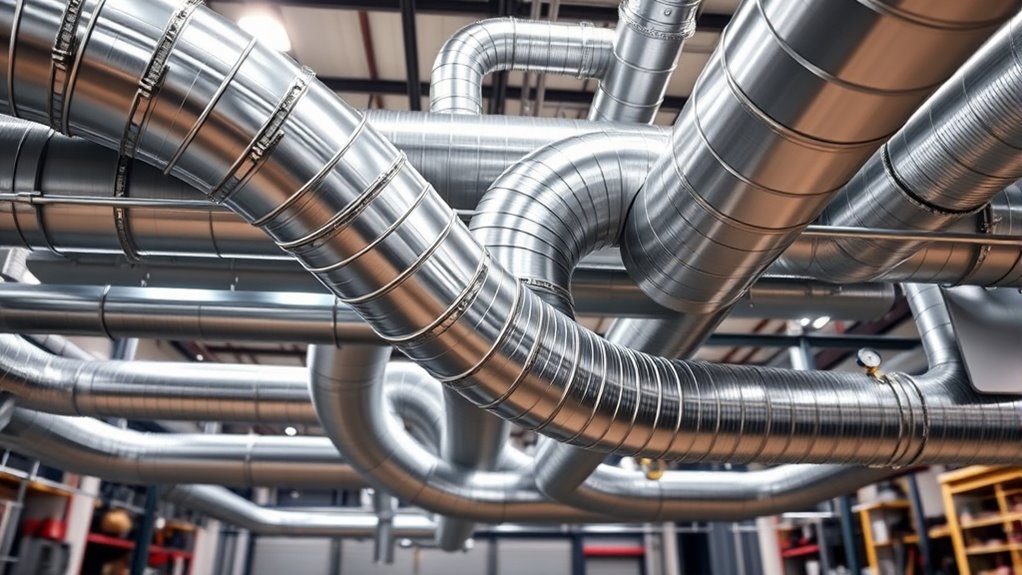
Have you ever wondered how to design an efficient dust collection duct layout that keeps your workspace clean and safe? The key lies in understanding static pressure and how it affects airflow within your system. When designing your duct layout, one of the critical factors to consider is airflow resistance. This resistance is what slows down or restricts the movement of dust-laden air as it travels through the ducts. The more resistant the airflow, the more effort your blower needs to exert to maintain proper suction and airflow rates. If static pressure gets too high, it can cause reduced system efficiency and increased energy consumption. That’s why minimizing airflow resistance is essential for an effective dust collection system.
One of the main influences on airflow resistance is your choice of duct material. Different materials have different levels of internal roughness and smoothness, which directly impact how easily air can pass through. For example, smooth-walled PVC or aluminum ducts tend to produce less airflow resistance compared to rougher materials like flexible hoses or galvanized steel with rough interiors. When selecting duct material, think about balancing durability with internal smoothness. Smooth, rigid ductwork not only reduces airflow resistance but also minimizes the buildup of dust and debris, making maintenance easier. Conversely, flexible ducts, while easier to install and more adaptable to complex layouts, often increase airflow resistance due to their corrugated surfaces, which can lead to higher static pressure levels.
In addition to duct material, the layout of your duct system plays a significant role in managing static pressure. Long runs, sharp bends, and multiple branches all contribute to increased airflow resistance. Each of these elements causes a pressure drop that your system must overcome. To optimize airflow, keep duct runs as short and straight as possible, and use gradual bends instead of sharp angles. Properly sizing your ducts is also vital; undersized ducts create more resistance, resulting in higher static pressure and reduced airflow. When designing your system, aim for a balance where the duct diameter allows for sufficient airflow while keeping resistance at a minimum. This approach helps ensure your dust collector operates efficiently, maintaining a safe and clean environment.
Understanding the relationship between static pressure and airflow is crucial for designing an effective dust collection system. Ultimately, understanding the relationship between airflow resistance, duct material, and static pressure helps you create a dust collection system that performs reliably. By choosing appropriate duct materials and designing an optimized layout, you can minimize static pressure issues, improve airflow, and reduce energy costs. This careful consideration will keep your workspace cleaner, safer, and more productive, making dust collection an effortless part of your operations.

PVC Dust Collection Hose 3" x 10', 3 Inch Dust Collector Hose for Shop Vacuum,Woodworking Dust Collection Systems,Puncture Resistant Flexible Clear PVC Fume Debris Dust Hose Tube w/Carbon Steel Wire
Needed for shop dust collection: The 3 inch dust collection hose for wood working shop is must have…
As an affiliate, we earn on qualifying purchases.
As an affiliate, we earn on qualifying purchases.
Frequently Asked Questions
How Does Duct Material Affect Static Pressure?
Your duct material selection greatly impacts static pressure in your dust collection system. Using smooth, rigid materials like galvanized steel reduces friction and minimizes static pressure, improving airflow efficiency. Conversely, flexible or rough-textured materials increase resistance, raising static pressure and straining the system. Choosing the right duct material helps you optimize airflow, reduce energy costs, and ensure effective dust collection by managing static pressure impact effectively.
What Are Common Signs of High Static Pressure Issues?
You’ll notice high static pressure when your dust collection system struggles to maintain airflow, causing louder operation or reduced suction. If your filters need frequent replacement or airflow drops, static pressure may be too high. Check for duct leaks and guarantee proper duct sealing; these issues increase static pressure. Addressing filter replacement timely and sealing ductwork helps prevent pressure build-up, ensuring efficient dust collection and system longevity.
How Often Should Duct System Maintenance Be Performed?
Your duct system needs maintenance as often as a superhero needs a sidekick—regularly and promptly. You should perform duct cleaning and system inspections at least every one to three years, depending on your usage and environment. Routine maintenance prevents static pressure issues, keeps airflow smooth, and prolongs your system’s life. Don’t wait until problems escalate; proactive checks save you time, money, and headaches down the line.
Can Duct Layout Impact Energy Efficiency?
Yes, duct layout directly influences energy efficiency. Proper duct design guarantees smooth airflow and minimizes static pressure, which reduces the energy needed to operate your dust collection system. By optimizing duct routes and avoiding sharp bends, you improve airflow and lower energy consumption. Focusing on airflow optimization through thoughtful duct design helps your system run more efficiently, saving you money and extending equipment lifespan.
What Tools Are Best for Measuring Static Pressure?
You need precise measurements to optimize your dust collection system, so selecting the right tools is essential. Anemometers come in various types—hot-wire, vane, and pitot tube—that can measure airflow and static pressure effectively. For pressure gauges, choose a durable, accurate device suited to your system’s pressure range. By using the right anemometer types and pressure gauge selection, you’ll uncover hidden inefficiencies and boost your system’s performance.

POWERTEC 5" x 5' PVC Flexible Dust Collection Hose with 2pcs Stainless Steel Key Hose Clamps for Woodworking and Garage, Wood Shop Dust Collection System, Planer, Cyclone Dust Separator (70394)
Includes: (1) 5" diameter 5 feet long left spiral clear flexible hose, (2) 5” Key Type Hose Clamps
As an affiliate, we earn on qualifying purchases.
As an affiliate, we earn on qualifying purchases.
Conclusion
Now that you understand the fundamentals of static pressure and duct layout, you’re closer than ever to optimizing your dust collection system. But don’t assume you’re done—small changes can have big impacts. Are you prepared to test your setup and fine-tune for peak performance? The next step could reveal surprises that either boost efficiency or pose new challenges. Stay alert—your system’s true potential is just one adjustment away.
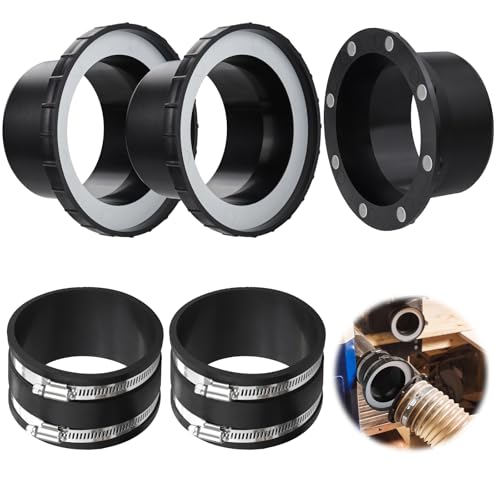
Magnetic Dust Collection Starter Kit for 4" Woodwork Shop Vacuums Dust Hose,One-to-Multi Magnetic Dust Collector System w/1PK Mag Port Connector+2Set 4" Couplers,Hookup Drum Sander Jointer Saw Planer
Save Time & Effort: The wood shop magnetic dust collection starter kit saves dust collection setup time without…
As an affiliate, we earn on qualifying purchases.
As an affiliate, we earn on qualifying purchases.

testo 405i Anemometer Handheld for Air Celocity, In-Duct Airflow and Temperature – CFM Meter with Extendable up to 15" Telescopic Shaft – Wind Meter with Bluetooth and App Operation
Reliable; The hot wire handheld anemometer provides precise measurements of air velocity, temperature, and in-duct airflow, and can…
As an affiliate, we earn on qualifying purchases.
As an affiliate, we earn on qualifying purchases.